Forged and cast aluminum alloy wheels differ fundamentally in manufacturing processes, performance, cost, appearance, and applications. This article will detail these differences.
1. Differences in Manufacturing Processes
Casting: Cast wheels are made by pouring molten aluminum alloy into a mold, allowing it to cool and solidify, and then machining it (such as removing burrs and polishing). This process is relatively simple and suitable for mass production. However, it is prone to internal defects such as porosity and looseness, affecting the wheel’s strength and toughness.
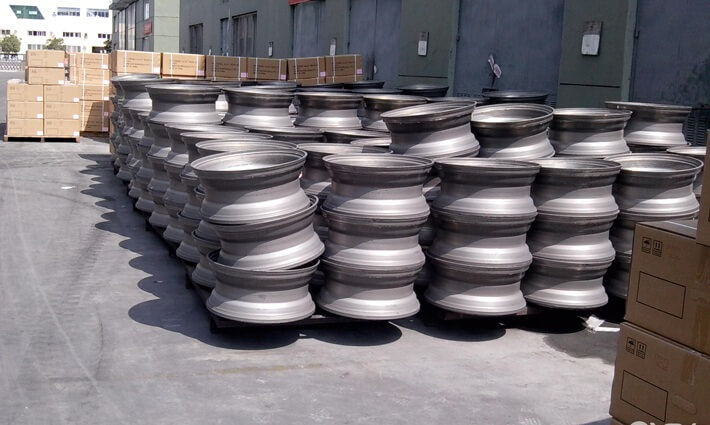
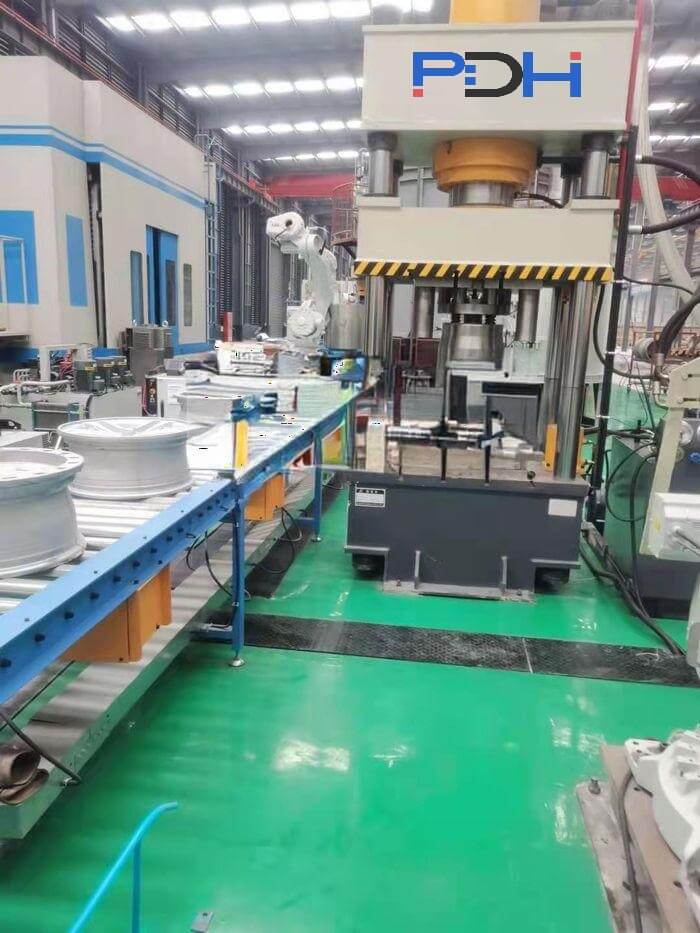
Forging: Forged wheels are made by applying high pressure to a metal billet using forging machinery, causing plastic deformation to form the desired wheel shape. The forging process effectively eliminates defects in the metal, resulting in a tighter arrangement of metal fibers and thus improving the wheel’s mechanical properties.
2. Differences in Material Properties
Strength and Toughness: Forged wheels, due to the tight arrangement of metal fibers, have stronger fatigue resistance, impact resistance, and load-bearing capacity, thus performing better under high-speed and aggressive driving conditions. In contrast, while cast wheels have higher strength, their internal structure is looser, resulting in relatively poorer fatigue resistance.
Weight: Forged wheels are generally lighter than cast wheels of the same size. This helps improve vehicle handling and fuel economy. For example, forged wheels are about 20% lighter than cast wheels of the same size. This helps reduce unsprung mass and improve suspension response.
Heat Transfer and Dissipation: The more uniform metal structure of forged wheels results in better heat transfer, helping to maintain the tire at an appropriate temperature and reducing the risk of tire blowout. Cast wheels, due to their uneven internal structure, have relatively poor heat dissipation.
3. Cost and Applicability
Cost: Forging is a complex process requiring advanced equipment. Therefore, forged wheels are generally more expensive than cast wheels. Cast wheels, due to their simpler process and higher production efficiency, are relatively cheaper and suitable for the mass market.
Applicability: Forged wheels, with their superior performance and safety, are more suitable for high-performance vehicles or modified vehicles, while cast wheels are more suitable for everyday family cars. Furthermore, forged wheels offer greater design freedom, allowing for more complex and aesthetically pleasing shapes.
4. Appearance and Design
Appearance: Forged wheels have a more refined surface treatment, typically using processes such as pickling and anodizing. This results in a simpler and more stylish appearance. Cast wheels, on the other hand, have a rougher surface and require more machining to achieve their desired aesthetic effect.
Design: Forged wheels offer greater design flexibility, allowing for more complex geometries and structures. Cast wheels, however, have relatively limited design options and are typically formed using simpler molds.
5. Application Scenarios
Forged Wheels: Suitable for high-performance vehicles, racing cars, modified cars, and other applications with high performance and safety requirements.
Cast Wheels: Suitable for ordinary passenger cars; lower cost, suitable for the mass market.
Summary
The essential differences between forged and cast aluminum alloy wheels lie mainly in manufacturing processes, material properties, cost, and applicability. Forged wheels, through high-pressure forging, effectively improve the strength, toughness, and lightweight performance of the wheel, making them suitable for high-performance and modification needs. Cast wheels, due to their simpler process and lower cost, are suitable for the mass market.
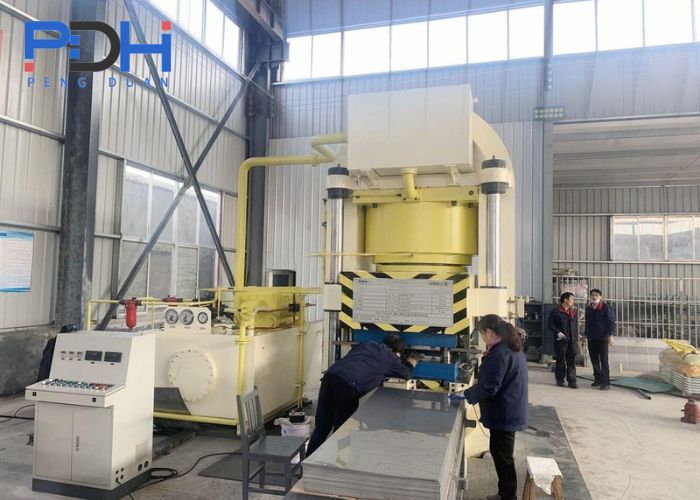
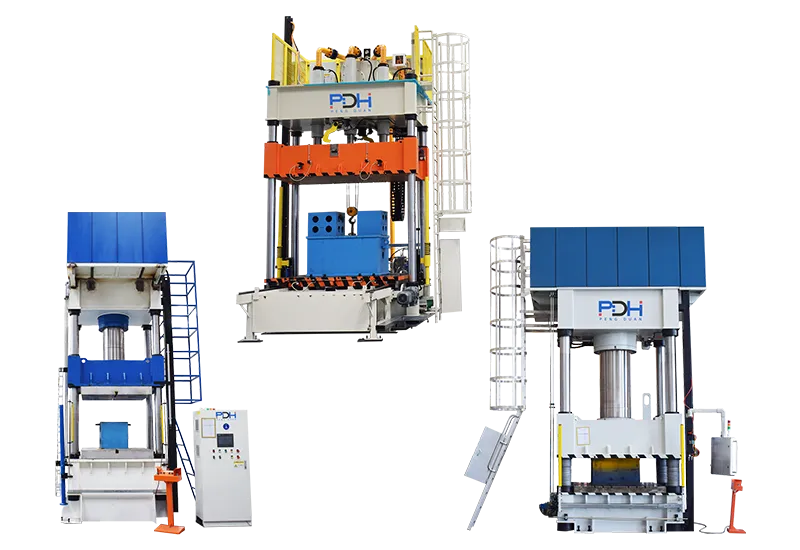
PDH is a professional forging press manufacturer and can provide turnkey forged wheel hub production line solutions for our customers. If you are interested in producing forged wheels, please contact us.