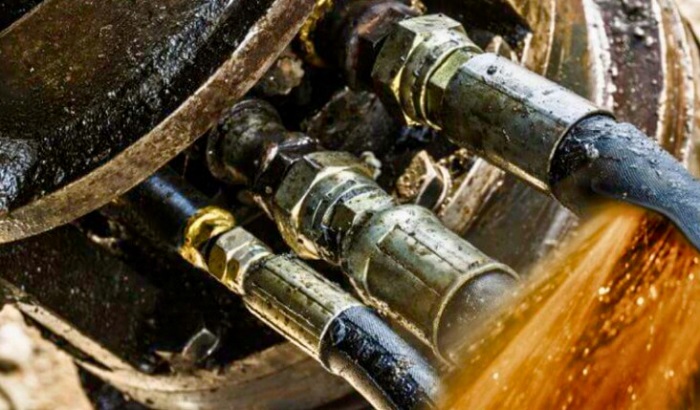
Hydraulic press oil leaks are mainly divided into two categories: static seal leaks (flanges, end caps, pipe joints) and dynamic seal leaks (cylinder piston rods, valve stems). Other issues include damage to the casing and piping, and assembly and system problems.
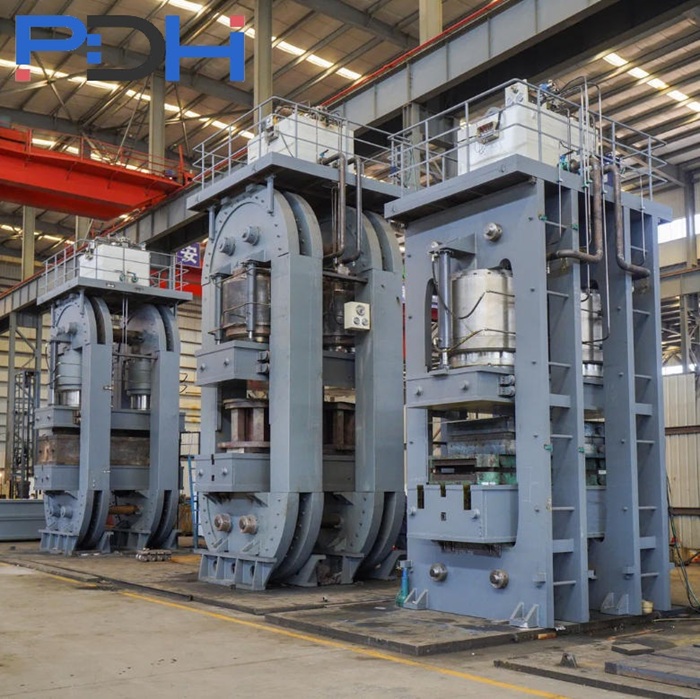
1. Problems with the Seals Themselves:
1) Seal Aging, Hardening, and Cracking: Rubber/polyurethane seals, subjected to prolonged high temperatures and oil corrosion, or with prolonged use, lose elasticity, resulting in oil seepage and dripping.
2) Incorrect Seal Selection: Materials not resistant to hydraulic oil, insufficient pressure rating, or incorrect seal dimensions (inner diameter, outer diameter, wire diameter mismatch).
3) Seal Damage: Scratches and chips during installation directly cause oil leaks through gaps.
2. Assembly Process Issues
1) Substandard Sealing Groove Machining: Groove dimensions are incorrect, burrs are present, rust is present, dents are present, and the sealing ring cannot be properly secured.
2) Rough Assembly: Piston rod threads and sharp corners are not chamfered, and the oil seal is cut during sealing ring installation. The sealing ring is twisted or installed backwards.
3) Uneven Bolt Tightening: Flange and end cap bolts are tight on one side and loose on the other, causing oil leakage from the joint surface. Excessive bolt torque causes housing deformation.
4) Pipe Joints are not tightened properly, or the threads are damaged. O-rings are not properly placed, causing oil leakage from the joint.
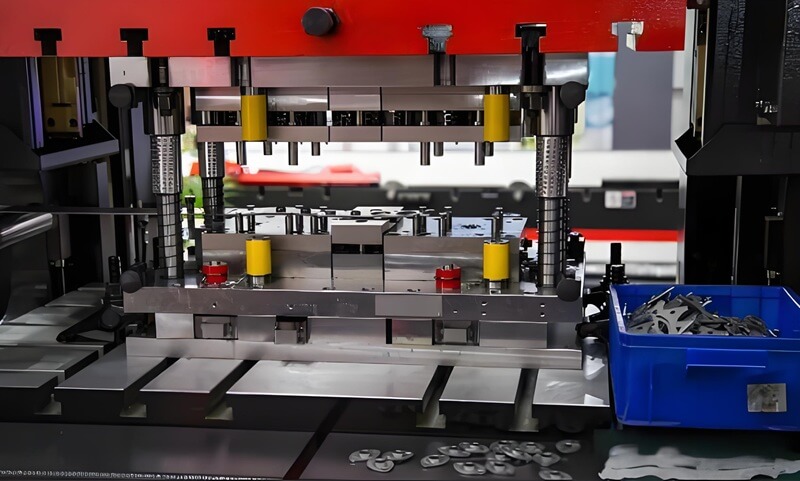
3. Oil Leakage from Dynamic Seals in the Hydraulic Cylinder (Piston Rod Leakage is Most Common)
1) Scratches, marks, rust, and peeling plating on the piston rod surface damage the oil seal lip, causing oil to flow outwards along the piston rod.
2) Weared guide sleeves and increased clearance cause the piston rod to wobble eccentrically, resulting in uneven stress on the oil seal and rapid failure.
3) Damaged dust seals allow dust and impurities to enter, damaging the oil seal and creating a vicious cycle of continuous oil leakage.
4. Hydraulic System Operating Conditions
1) Overheating: Prolonged oil temperature exceeding 60-70℃ accelerates seal aging, thins the oil, and increases the likelihood of leakage.
2) System pressure surges: Pressure exceeding rated values can cause instantaneous high pressure to rupture the seals.
3) Excessive return oil back pressure: Poor oil return from the cylinder cavity leads to internal pressure buildup, causing oil to be squeezed out from the seals.
4) Oil contamination: Iron filings and impurities in the oil grind against the sealing surfaces and sealing rings.
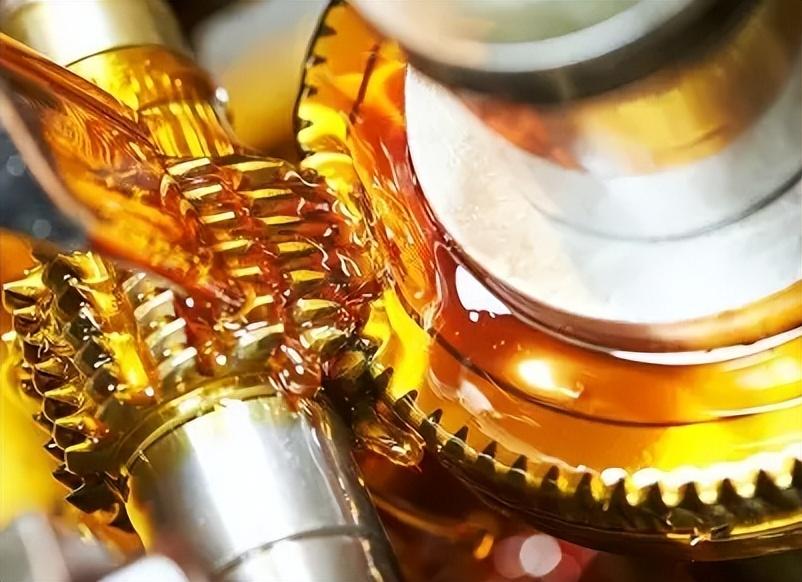
5. Damage to Component Housings and Piping
1) Casing housings have porosity, sand holes, and cracks, causing oil leakage.
2) Aging and cracking of oil pipes, weld seam cracks; bulging and damage to hoses leading to oil leakage.
3) Poor flatness of valve block and valve body mating surfaces, gaskets not being tightly pressed, causing oil leakage.
6. Gasket and Mating Surface Faults
1) Paper gaskets and rubber gaskets are aged and broken; metal filings and impurities are present on mating surfaces, resulting in poor sealing.
2) Deformation of the equipment frame causes warping of end caps and flange mating surfaces, resulting in gaps and oil leakage.
7. Simple and Quick Troubleshooting Approach
Identify the leak point: joint / flange / cylinder head / piston rod / housing.
Determine if it’s seepage or dripping: Minor seepage is often due to aging seals or loose bolts. Dripping is usually due to damaged seals or scored piston rods.
Observe the oil temperature. If the oil temperature is very high, prioritize addressing heat dissipation; otherwise, replacing the seal will quickly lead to recurrence of leaks.
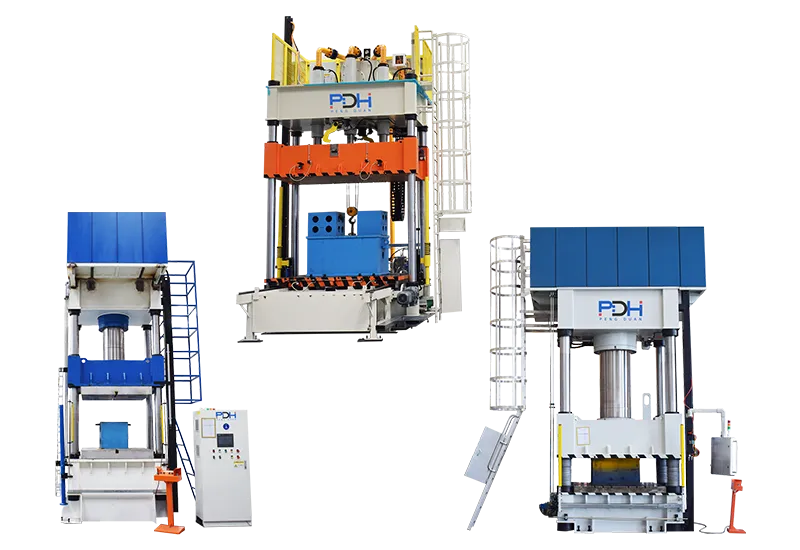
In addition to the quick troubleshooting methods mentioned above, PDH, as a professional hydraulic press manufacturer, has also compiled a simple set of steps for handling hydraulic press oil leaks. Following this article, you can quickly resolve hydraulic press oil leaks. We hope this helps you.