1. Metal Alloy Materials
1) Material Characteristics
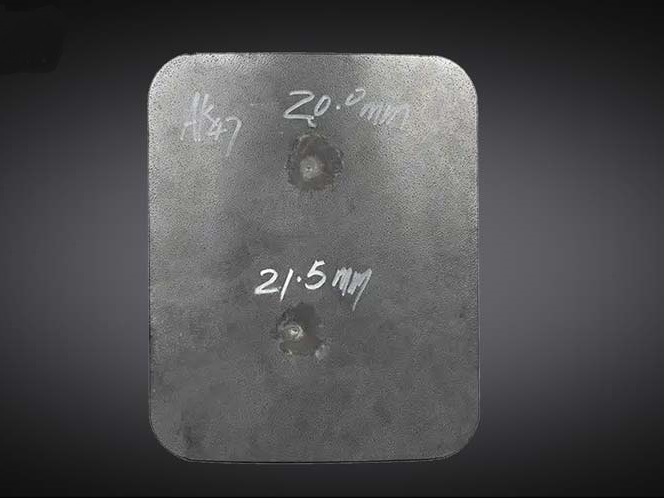
Metal alloy ballistic plates are manufactured from high-carbon steel or titanium alloy using heat treatment processes. They can achieve a Rockwell hardness exceeding HRC50. They primarily absorb the kinetic energy of the projectile through plastic deformation.
2) Performance Advantages
They offer the lowest protection cost per unit area and can withstand repeated impacts from 7.62mm armor-piercing rounds. They maintain structural integrity even in extreme environments.
3) Application Limitations
The areal density of these plates generally exceeds 30 kg/m². Prolonged wear can lead to fatigue-related strain, and the edge areas require anti-spall treatment.
Advanced Ceramic Materials
1) Protection Mechanism
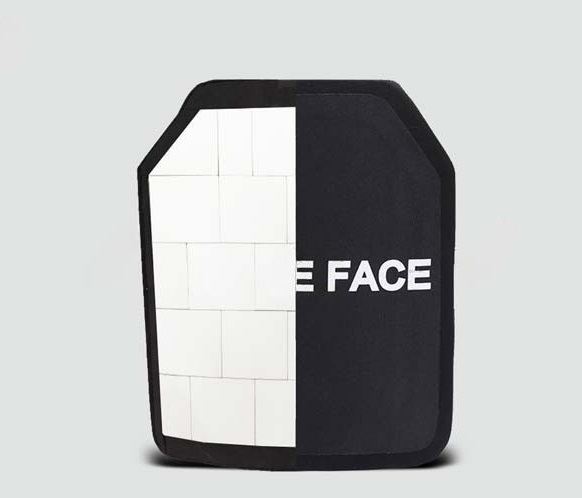
Alumina or boron carbide ceramic ballistic plates dissipate projectile energy through brittle fragmentation, working in conjunction with backing materials to achieve multi-stage energy dissipation.
2) Technical Characteristics
Offers a 40% weight reduction while meeting NIJ Level IV protection standards. However, multi-hit capability is limited, necessitating the use of a shock-absorbing frame.
3) Development Trends
Nanocrystalline ceramics can enhance toughness by 20%, gradually addressing the issue of reduced secondary protection performance.
Composite Laminate Materials
1) Structural Design
The composite ballistic plate utilizes an orthogonal layup of ultra-high-molecular-weight polyethylene (UHMWPE) and aramid fibers, achieving energy dissipation through fiber stretching and rupture.
2) Overall Performance
The areal density of the plate is kept below 15 kg/m²; it exhibits excellent resistance to environmental aging, though strength degradation occurs in high-temperature environments.
3) Cost Analysis
Due to import restrictions on military-grade materials, the price of composite ballistic plates remains 30%–50% higher than that of traditional metal plates.
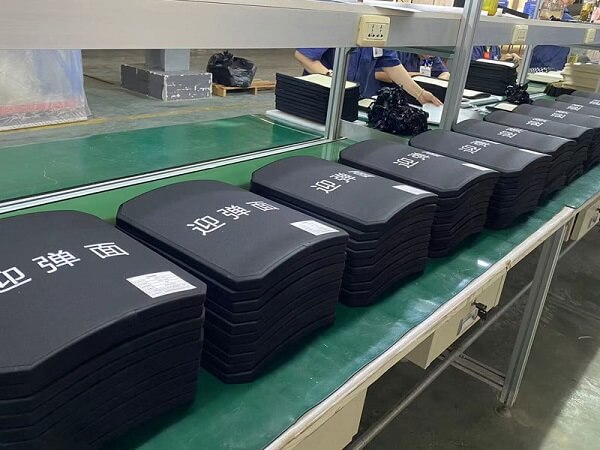
Actual selection requires a comprehensive assessment of three key factors: threat level, operational environment, and individual soldier load. It is recommended to align the protection level with the NIJ 0101.06 standard.
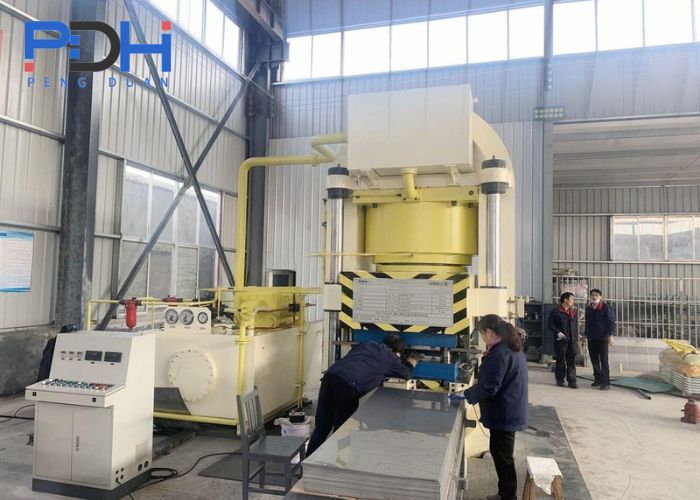
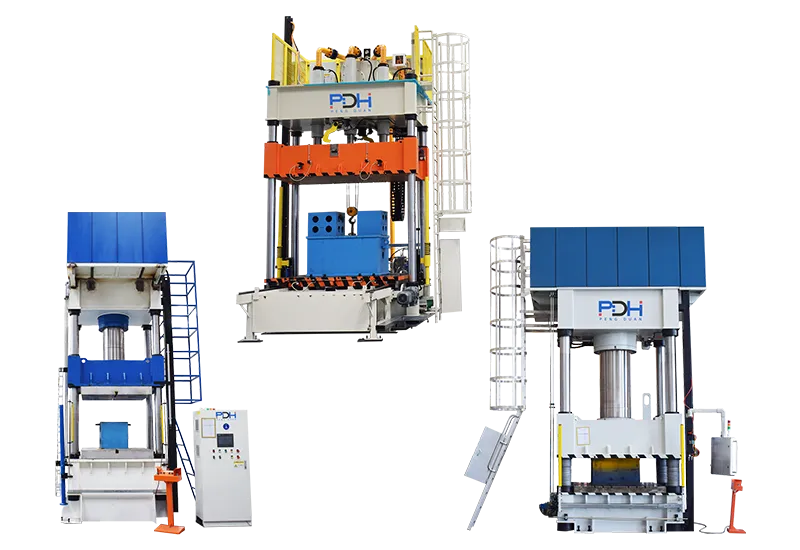
As a professional hydraulic press supplier, PDH offers a high-quality hard armor plate forming press, enabling you to rapidly manufacture ballistic plates made of polyethylene (PE) and ballistic ceramics.