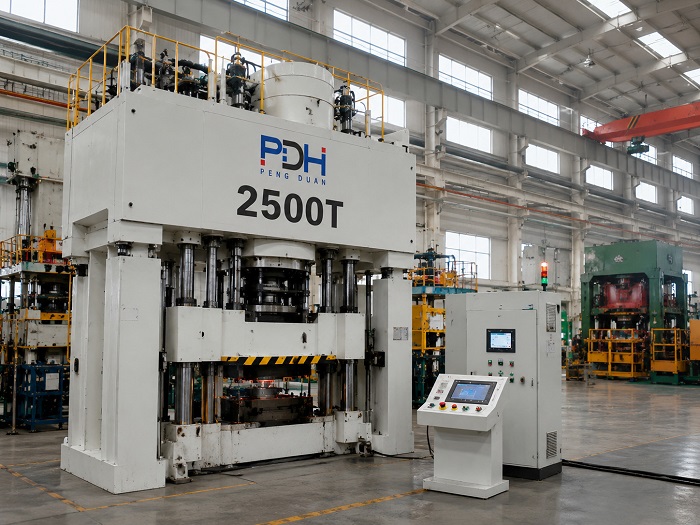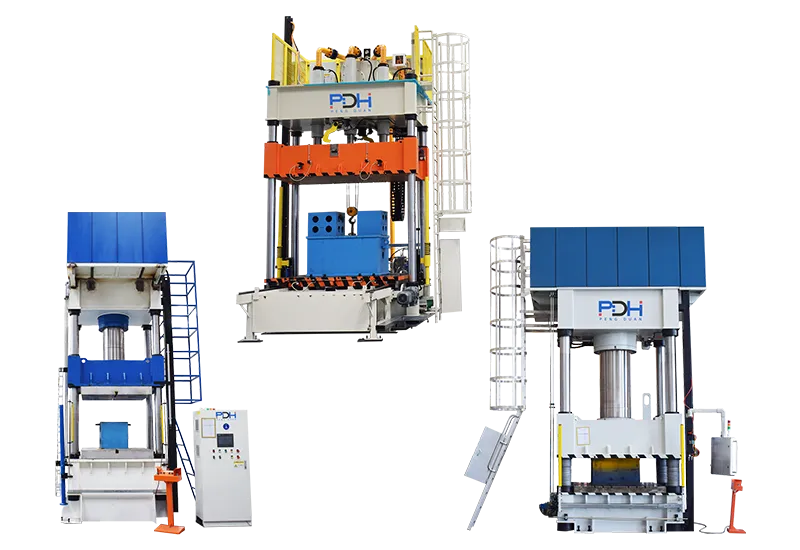
Isothermal forging is a precision die forging process in which the die and the workpiece are maintained at the same temperature throughout the forging operation, and deformation is carried out at a low strain rate. This technique significantly reduces material deformation resistance and enhances plastic flow capabilities.
It is particularly well-suited for forging difficult-to-deform materials—such as titanium alloys, superalloys, aluminum alloys, and magnesium alloys—which are characterized by narrow forging temperature ranges and high deformation resistance.
Isothermal forging enables near-net-shape manufacturing, yielding forgings with high dimensional accuracy and a uniform, fine-grained microstructure. Consequently, it is widely utilized in the production of complex, precision components across various sectors, notably in the aerospace industry.
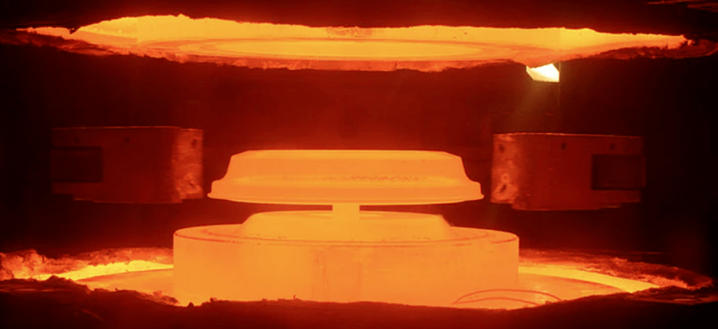
Classification of Isothermal Forging Technologies
1. Classified by Forming Temperature
1) High-Temperature Isothermal Forging
Operating temperatures typically range from 800°C to 1200°C. This process is primarily applied to high-temperature-resistant and difficult-to-deform materials, such as titanium alloys, nickel-based superalloys, and powder metallurgy alloys. It also constitutes the mainstream manufacturing process for core components in aero-engines.
2) Medium-Temperature Isothermal Forging
The temperature range generally falls between 300°C and 600°C. It is predominantly utilized for lightweight metallic materials, such as high-strength aluminum alloys and magnesium alloys. This technology is widely employed in the manufacturing of lightweight structural components for aircraft and high-end automotive parts.
2. Classified by Equipment and Operation Mode
1) Integral-Die Isothermal Forging
Utilizes a closed, integral die system. Suitable for medium-to-small-sized disk-like and shaft-like forgings with relatively regular geometries. This process is mature, offers high production efficiency, and is well-suited for mass production.
2) Closed Multi-Directional Isothermal Forging
Equipped with a multi-directional pressure application mechanism, allowing pressure to be applied to the billet from multiple directions simultaneously. It offers superior forming capabilities for large-scale components featuring deep cavities, high ribs, thin walls, or complex, irregular geometries. It is the preferred process for manufacturing large-scale load-bearing aerospace components.
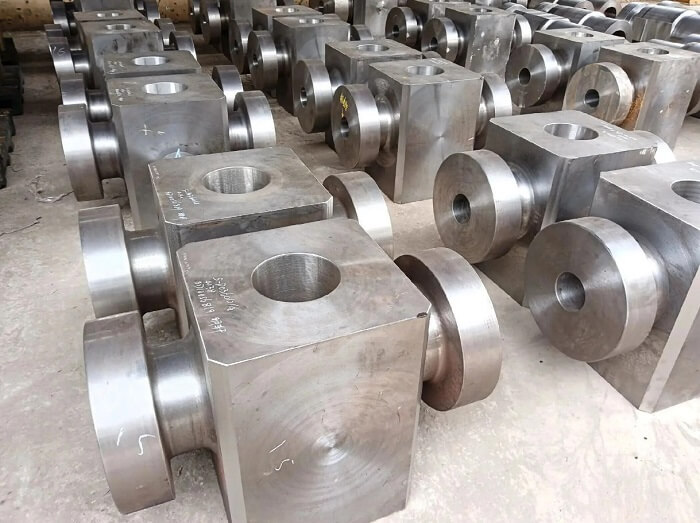
3. Classified by Process Combination
1) Pure Isothermal Forging
The entire forming process is executed solely under constant temperature and low-speed conditions, resulting in a simple workflow. It specializes in producing forgings characterized by high precision and superior surface quality.
2) Isothermal-Superplastic Hybrid Forging
Leverages the superplastic properties of the material to their fullest extent. Designed for ultra-thin and extremely complex structural components. It offers significantly expanded forming limits, enabling the achievement of ultimate near-net-shape precision.
Features of Isothermal Forging Technology
1. Superior Forging Quality
Throughout the entire process, there are no sudden temperature fluctuations; consequently, the workpiece does not suffer from surface quenching or significant structural disparities between its interior and exterior.
The resulting forgings feature fine, uniform grain structures and are free from defects such as cracks or inclusions. Furthermore, the consistency of their mechanical properties and fatigue strength is far superior to that of conventionally forged parts.
2. Adaptability to Complex Structures
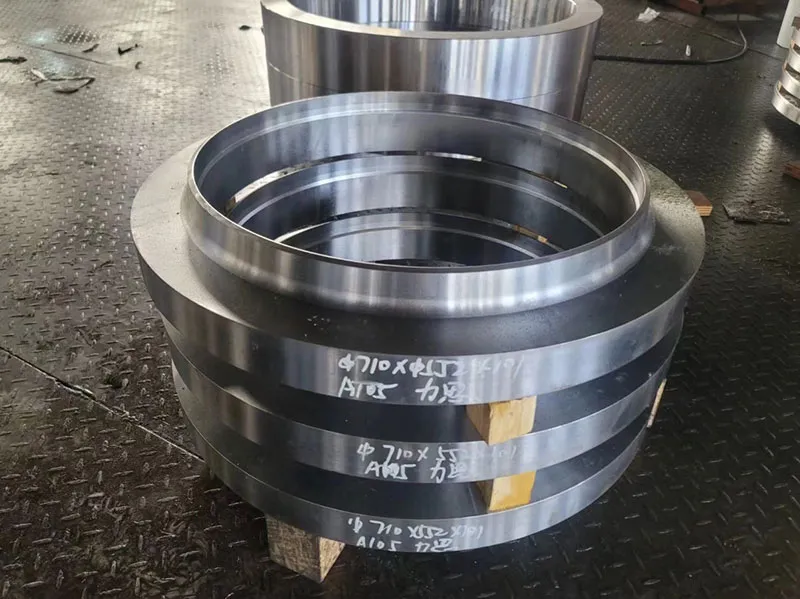
The metal is maintained in a superplastic state, characterized by low deformation resistance and excellent flowability. This enables the effortless formation of complex structural components—such as thin-walled sections, high ribs, deep cavities, and free-form surfaces—that are difficult to process using traditional methods, thereby achieving near-net-shape forming.
3. High Material Utilization
The forgings exhibit high dimensional precision and minimal surface machining allowance. This significantly reduces the need for subsequent machining operations, such as cutting and grinding. As a result, material utilization efficiency is improved by 30% to 50% compared to traditional forging processes.
4. Extended Die Service Life
In isothermal forging, the dies are maintained at a constant temperature throughout the process. This significantly reduces thermal stress, thereby effectively extending the service life of the dies.
Application of Isothermal Forging Technology
1. Aerospace Sector
Used for manufacturing critical structural components such as aircraft engine turbine disks, blisks (integrally bladed disks), blades, and combustion chamber components, as well as aircraft fuselage main load-bearing frames, landing gear parts, and wing spars.
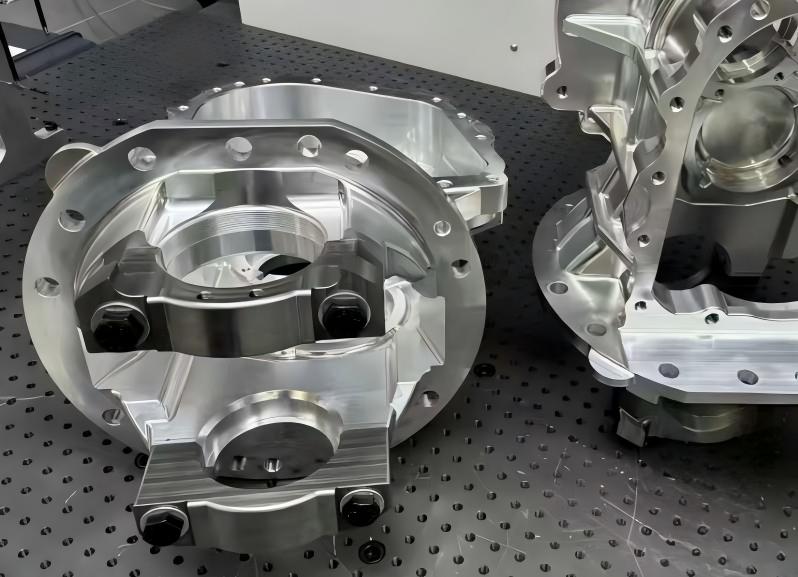
2. High-End Defense Industry
Core load-bearing components and high-temperature-resistant parts for specialized weaponry and equipment, including military aircraft, missiles, and shipborne systems.
3. High-End Equipment and Energy Sectors
High-temperature disks and blades for gas turbines and steam turbines, as well as specialized alloy structural components for nuclear power equipment and large-scale power machinery.
4. High-End Transportation and Advanced Civil Equipment
Lightweight, high-strength aluminum and magnesium alloy structural components for new energy vehicles and high-end passenger cars; and precision metal components for rail transit systems, precision instruments, and advanced medical equipment.
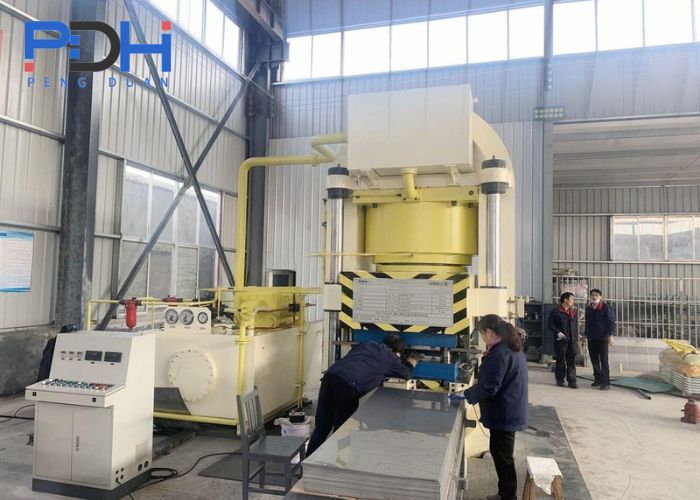
Isothermal forging is an advanced plastic forming technology that emerged in response to the evolution of high-end manufacturing. Relying on a core process logic of constant temperature combined with low-speed deformation, it has successfully overcome the challenges associated with forming complex components from difficult-to-deform metals. PDH offers high-quality isothermal forging presses. If you have any requirements, please contact us.