For those who prioritize high performance, durability, lightweight construction, and aesthetics, forged wheels are the preferred choice. However, forged wheels do have their own drawbacks. This article will provide a detailed overview of the advantages and disadvantages of forged wheels to help you make a more informed decision.
The Advantages of Forged Wheels
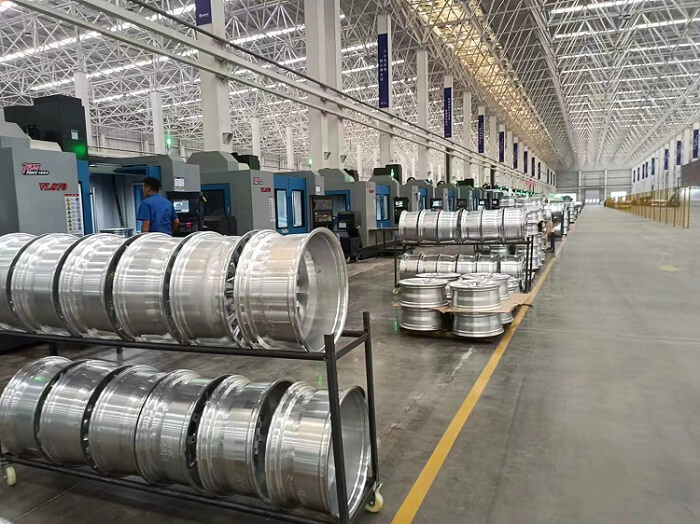
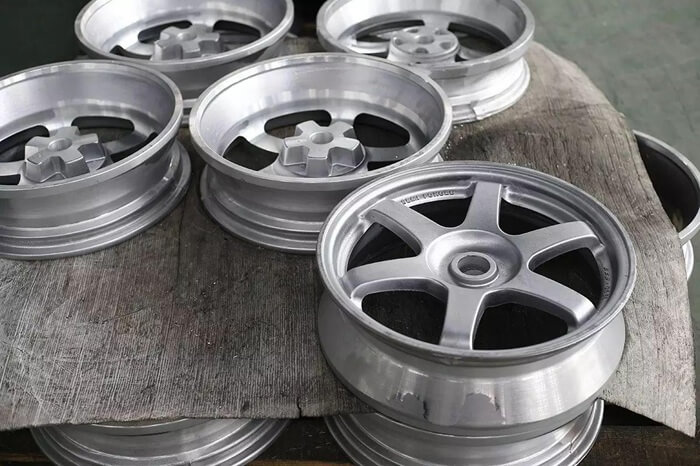
The advantages of forged wheels stem from their unique manufacturing process. Rather than pouring molten metal into a mold—the method used in casting—forged wheels are formed by subjecting solid metal (typically aluminum or an aluminum alloy) to high-pressure forging. This process endows them with significant advantages in terms of structure, performance, and aesthetics.
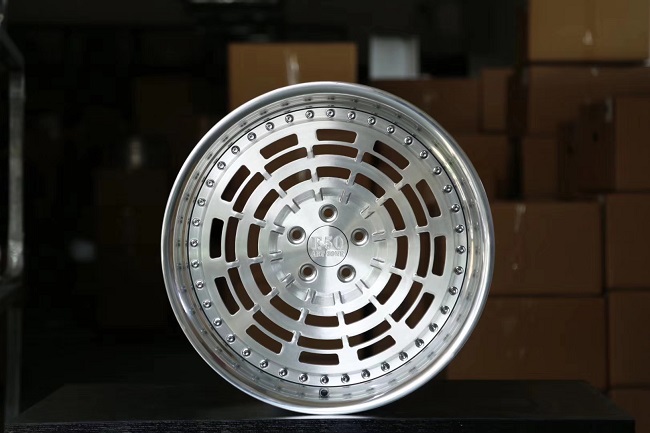
1. High Strength, Superior Safety, and Outstanding Durability
The high-pressure forging process eliminates internal voids within the metal, resulting in a more uniform grain structure and a denser composition. This significantly enhances the wheel’s strength, rigidity, and resistance to deformation.
Compared to cast wheels, forged wheels are better equipped to withstand heavy loads and high-stress conditions, offering superior impact resistance. When traversing rough terrain, striking curbs, or undergoing aggressive driving maneuvers, they are far less prone to issues such as cracking or deformation, thereby providing a more reliable safety guarantee for the vehicle.
These characteristics make them particularly well-suited for racing cars, off-road vehicles, and vehicles frequently driven in challenging conditions or at high speeds; furthermore, they resist aging over time and offer a longer service life.
2. Lightweight Design
While maintaining superior strength, forged wheels are lighter than their cast counterparts. This effectively reduces both the vehicle’s unsprung weight and rotational mass. This advantage translates into more rapid acceleration, shorter braking distances, sharper steering response, and a more refined handling feel. Additionally, this lightweight design contributes to improved fuel efficiency.
3. Exquisite Appearance and High Customizability
The inherent flexibility of the forging process allows for the creation of more intricate and refined wheel designs. Whether in the styling of the spokes or the surface finish, the results are consistently more delicate and rich in texture. Compared to cast wheels, forged wheels feature a pore-free surface, ensuring a more uniform and durable paint finish. Not only do they offer superior aesthetics, but they also effectively cater to car owners’ specific customization requirements.
4. Excellent Heat Dissipation Performance
Their dense metal structure facilitates superior thermal conductivity. During prolonged braking—such as on long descents—they can rapidly dissipate the heat generated by the braking system, thereby minimizing brake fade and further enhancing driving safety.
Disadvantages of Forged Wheels
Although forged wheels offer significant advantages, they also possess certain shortcomings that cannot be overlooked, primarily due to the constraints of the manufacturing process and associated costs.
1. High Cost
The manufacturing process for forged wheels is complex, requiring substantial investment in equipment and demanding extremely high standards for raw material quality. Furthermore, the production process generates a significant amount of scrap material. Consequently, their production costs are far higher than those of cast wheels. On the market, forged wheels of the same size typically cost two to four times as much as their cast counterparts.
2. High Maintenance Requirements
Forged wheels feature a refined surface finish that requires exceptional care during routine cleaning and maintenance to prevent scratches or corrosion; failure to do so can compromise both their aesthetic appeal and structural integrity. Moreover, due to the high toughness of the metal, severe deformation or cracking is generally irreparable, necessitating the complete replacement of the wheel.
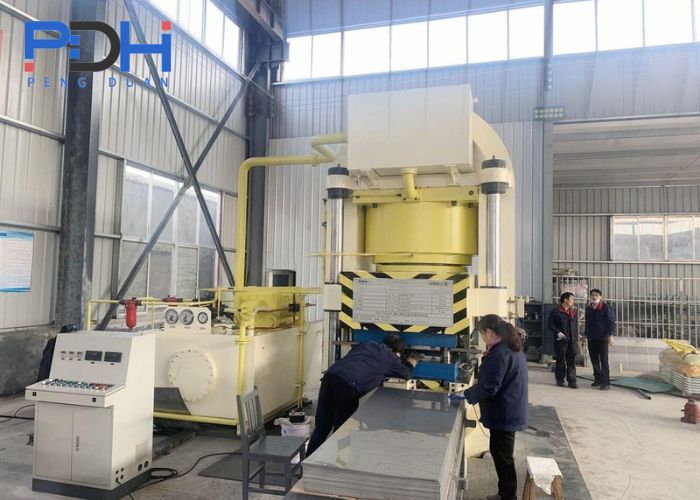
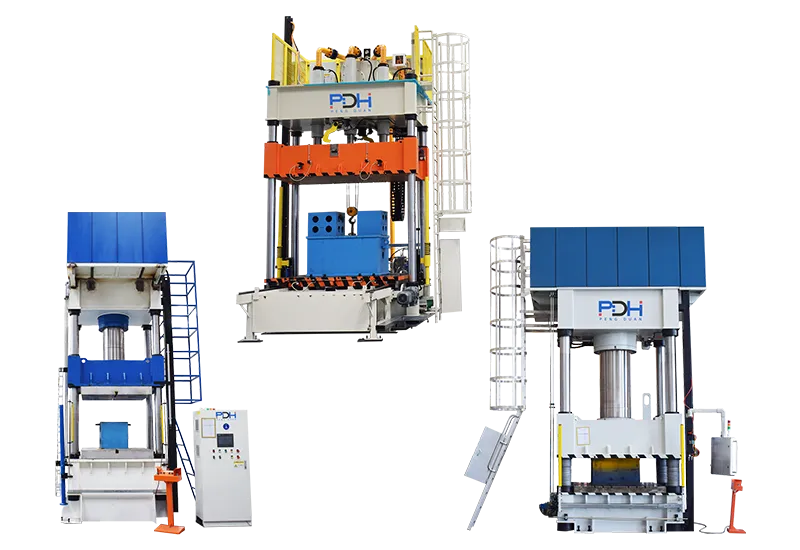
Despite these drawbacks, the advantages of forged wheels—particularly in terms of lightweight design, strength, durability, and overall performance—are far more pronounced. If you have a need to manufacture forged wheels, we invite you to contact us. PDH is a famous forging press manufacturer and can provide you with a complete solution for a forged wheel production line.