When selecting hydraulic oil for a hydraulic press, it is necessary to comprehensively consider the equipment’s operating conditions, performance requirements, and economic and environmental factors to ensure the hydraulic system operates efficiently, reliably, and for a long time. The following are the key selection principles and steps:

1. Follow the Equipment Manufacturer’s Recommendations.
This is the primary principle. The instruction manual or technical manual for hydraulic presses usually clearly specifies the recommended type, viscosity grade, and performance standards of hydraulic oil (e.g., GB/T 7631.2-2003). These should be followed first to avoid equipment damage or warranty voiding due to incompatible oil.
2. Select Oil Type Based on Working Pressure
Hydraulic presses typically operate under medium to high pressure; therefore, oils with excellent anti-wear properties are required:
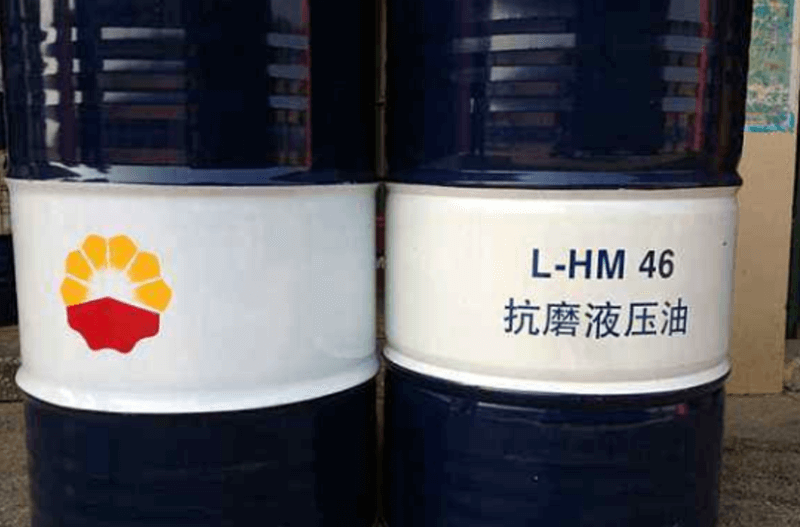
- Medium-to-high pressure systems (common in most hydraulic presses): Anti-wear hydraulic oils (L-HM), such as 32#, 46#, and 68#, are recommended. These effectively protect precision components such as vane pumps and piston pumps, reducing wear.
- Ordinary low-pressure systems: Antioxidant and rust-preventive hydraulic oils (L-HL) can be used, but they are gradually being replaced by L-HM.
- Extremely high pressure or precision equipment: Synthetic hydraulic oils (L-HV/L-HS) are recommended for their improved viscosity-temperature characteristics and more stable lubrication.
3. Select Viscosity Grade and Type Based on Operating Temperature
The oil temperature rises during hydraulic press operation, and the ambient temperature also affects starting performance:
- Viscosity Grade Selection: Hydraulic oils are classified into 15#, 22#, 32#, 46#, 68#, and 100# based on their kinematic viscosity at 40℃. 32# and 46# are the most commonly used viscosity grades for hydraulic presses, suitable for most operating conditions. Higher viscosity means stronger load-bearing capacity, but poorer fluidity.
- High-Temperature Environments: Select high-viscosity index oils (such as L-HV and L-HS) to ensure the viscosity does not drop drastically at high temperatures, maintaining lubrication effectiveness.
- Low-Temperature Environments: If the equipment is started in a cold region, low-pour-point hydraulic oils should be selected, such as L-HS (suitable for temperatures above -40℃) or L-HV (suitable for temperatures above -30℃) to ensure low-temperature fluidity.
4. Consider Oil Performance and Compatibility
- Key Performance: The oil should possess good oxidation resistance (extending service life), anti-foaming properties (preventing unstable power transmission), demulsification properties (rapid water separation), and rust prevention.
- Material Compatibility: Hydraulic oils must be compatible with system seals (such as nitrile rubber and fluororubber) and metal components. Mineral oil-based oils are generally compatible with nitrile rubber, while phosphate ester synthetic oils require fluororubber seals. Mixing different brands or types of oils may cause additive reactions, oil deterioration, or system blockage. Indiscriminate mixing is strictly prohibited.

5. Considering Economic and Environmental Requirements
- For general operating conditions: Mineral oil-based L-HM hydraulic oils offer high cost-effectiveness and are the mainstream choice.
- For applications with high environmental requirements: If used in food, pharmaceutical, or ecologically sensitive areas, biodegradable hydraulic oils should be selected. Although more expensive, they reduce environmental pollution.
- For long-term costs: Synthetic oils have higher initial costs but longer service life, reducing oil change frequency and maintenance costs.
In summary, for most hydraulic presses, L-HM type (anti-wear) mineral hydraulic oils with viscosity grades of 32# or 46# are a safe, economical, and reliable choice. However, for extreme temperature, high pressure, or precision applications, synthetic hydraulic oils (L-HV/L-HS) should be upgraded, and the hydraulic press manufacturer‘s recommendations should always be followed.