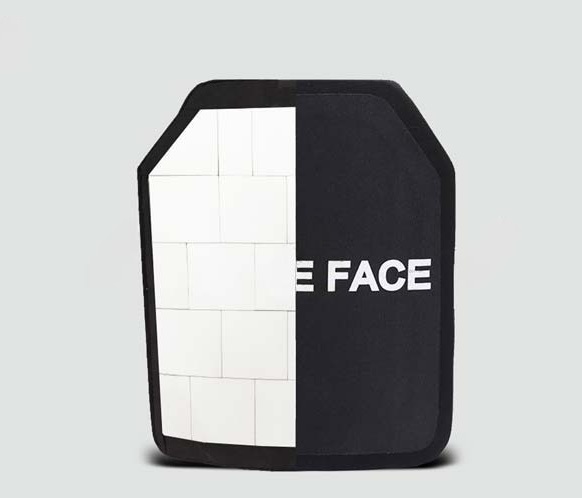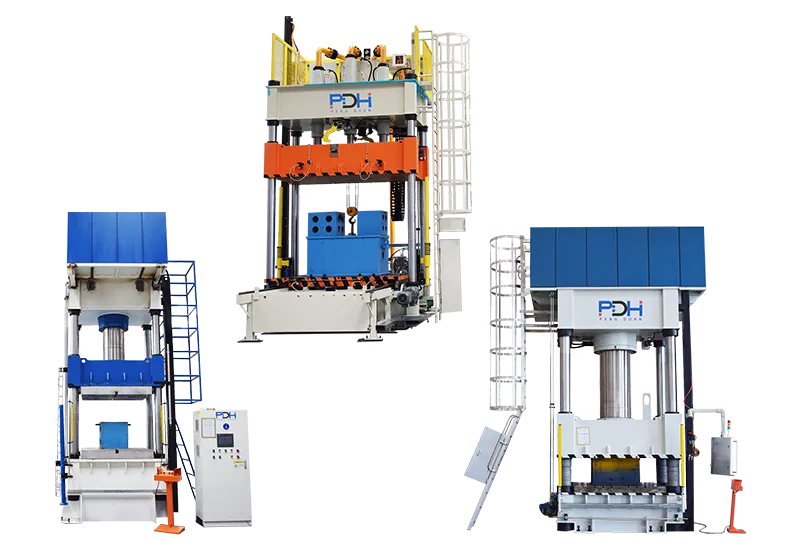
If you are stepping into composite helmet manufacturing, one of the most common questions we get is: What size hydraulic press is required to mold carbon fiber, aramid Kevlar, and UHMWPE ballistic helmet shells?
Tonnage is not a “bigger is better” decision. You cannot simply copy the setup from another helmet factory. The right press size depends on these key factors: helmet material, required molding pressure, mold projected area, number of cavities per mold, and your overall molding process. Picking the wrong tonnage leads to insufficient compaction, high scrap rates, or overinvesting in a large machine that wastes power and space.
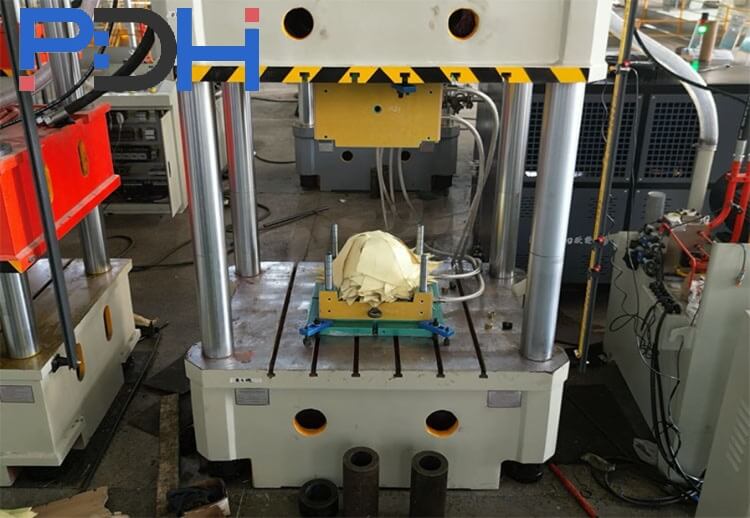
The Basic Formula for Calculating Required Tonnage
Molding tonnage is calculated by molding pressure multiplied by the horizontal projected area of the mold.
Required tonnage = Molding pressure (MPa) × Total projected mold area (cm²) ÷ 100
Best practice: Add a 20–30% safety margin to your calculated value. This accounts for side load during closing, resin flow, raw material batch variation, and long-term machine performance decay.
Important note: Use the horizontal projected area of the mold cavity, not the 3D surface area of the curved helmet shell. Curved depth does not factor into tonnage calculation.
Different composite helmet materials demand very different molding pressures — this is the main dividing line for your selection:
- Carbon fiber prepreg helmets (motorcycle / cycling): 1–5 MPa. The main goal is void removal and controlled resin content. Too much pressure squeezes out excess resin and causes delamination or resin starvation.
- SMC fiberglass helmets: 10–20 MPa. Higher pressure is needed to fill the mold cavity properly.
- Aramid (Kevlar) safety helmets: 8–18 MPa. Aramid fibers are sensitive to shear damage. Uniform pressure distribution matters more than raw high tonnage.
- UHMWPE ballistic helmets: 12–25 MPa. This material requires the highest compaction. Machine frame rigidity and consistent pressure control are critical for ballistic performance.
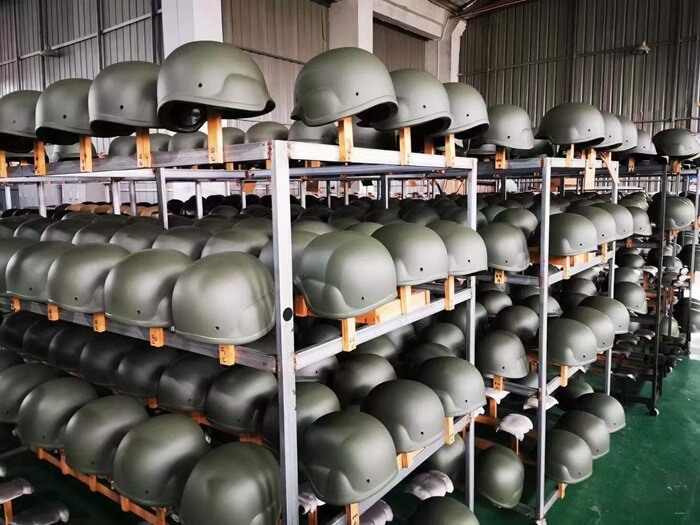
Recommended Tonnage Ranges for Common Helmet Types
1. Carbon fiber motorcycle & cycling helmets (epoxy prepreg)
Single cavity: 100T–200T servo-hydraulic press. Ideal for prototyping and small-batch production for niche brands.
Dual cavity: 200T–315T. This is the most popular production setup for high-volume carbon helmet lines.
For carbon prepreg helmets, precision pressure profiling, multi-stage pressing and accurate temperature control are far more important than extra tonnage. A servo press is strongly recommended here.
2. Aramid (Kevlar) tactical / riot helmets
Single cavity: 200T–315T
Dual cavity: 315T–500T
Aramid fibers break easily under localized high pressure. Alongside tonnage, pay close attention to machine parallelism, anti-eccentric load design and closed-loop pressure control to avoid fiber damage that compromises impact resistance.
3. UHMWPE ballistic helmets (law enforcement & tactical use)
This category has the highest pressure requirement and is heavily sought after by overseas buyers.
Single cavity: Minimum 315T, typical range 315T–500T
Dual cavity mass production: 500T–630T
Multi-cavity high-output lines: 630T / 800T frame-style presses
Many manufacturers run into quality issues by undersizing the press. Inadequate compaction leaves internal voids, which will make it very difficult to pass NIJ ballistic testing.
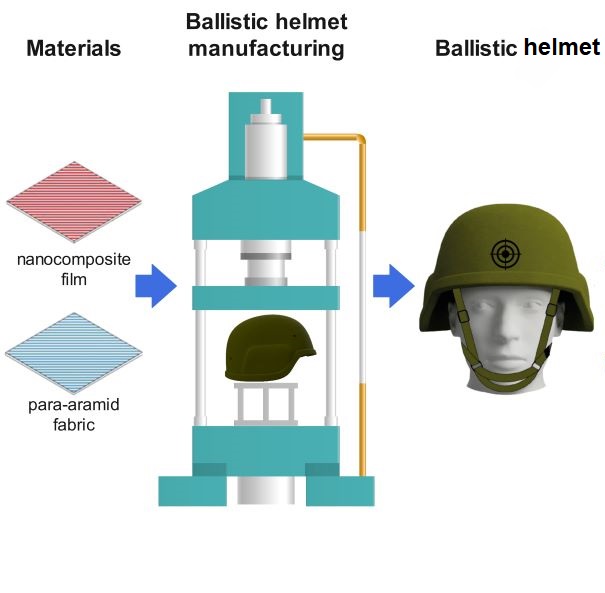
Critical Factors Most Buyers Overlook
1. Number of cavities directly changes your tonnage requirement
A 315T press may work for one shell per cycle. If you switch to a dual-cavity mold, the projected area nearly doubles, so you must upgrade tonnage accordingly.
2. Frame rigidity beats raw tonnage
Helmet molds are deep curved cavities, which naturally create eccentric side loads during closing. A 315T heavy-duty frame press performs far better than a standard 315T four-column press under repeated off-center loading. Frame models are highly recommended for UHMWPE ballistic helmet production to prevent frame deflection and inconsistent mold gap over time.
3. Process setup affects pressure demand
Vacuum-assisted compression molding can reduce the required molding pressure. If you run standard compression molding without vacuum, you need to reserve extra tonnage margin.
4. Tonnage alone cannot guarantee certification
A hydraulic press delivers stable, repeatable pressure and temperature profiles to reduce voids, delamination and thickness variation. However, ECE, Snell, NIJ or other helmet certifications depend on your material selection, layup design, mold quality and full process parameters. No machine can guarantee certification by itself.
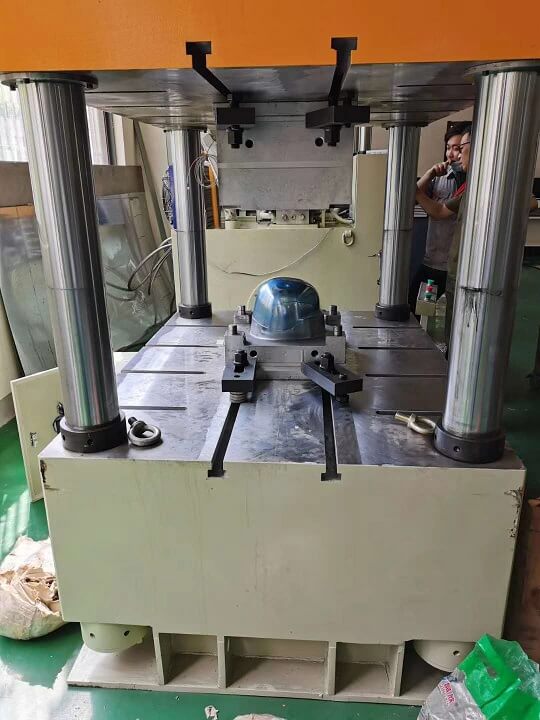
Fast Selection Guide for Your Project
- Cycling / motorcycle carbon helmets, prototyping + low volume: 200T servo hot press
- Mass carbon helmet production, dual cavity: 315T servo (our most exported model)
- Aramid tactical helmets: 315T; upgrade to frame style if budget allows
- UHMWPE ballistic helmets: 315T minimum; dual cavity production 500T and above
Get Your Custom Solution
PDH is a professional ballistic helmet forming press machine manufacturer in China. Share your helmet drawings, mold layout, composite material and target output with our engineering team. We calculate projected area, recommend the right tonnage, and configure heating platens, vacuum auxiliary systems, PLC recipe storage and other accessories. We provide full composite helmet compression molding solutions and sample testing services.