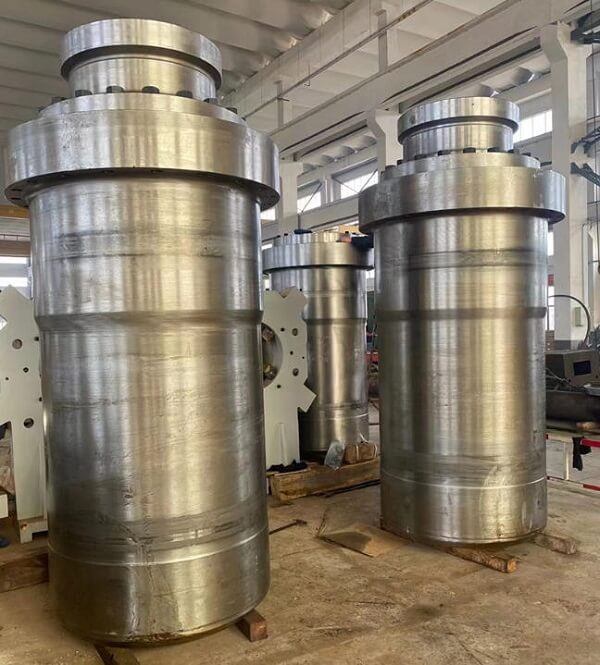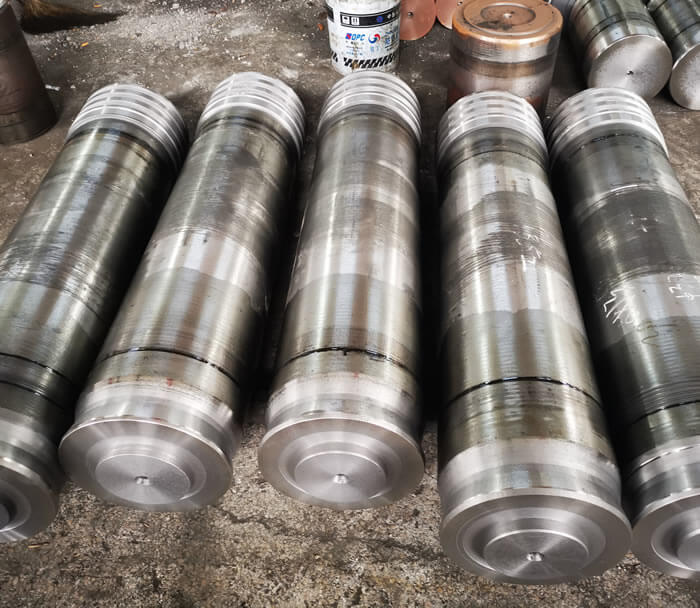
Hydraulic oil plays a vital role in hydraulic systems. It serves not only as a medium for energy transmission but also as a lubricant, coolant, rust- and corrosion-prevention agent, and seal. The proper selection of hydraulic oil directly impacts the efficiency, stability, and service life of both the hydraulic system and the equipment itself.
However, many users lack sufficient knowledge of hydraulic oil, leading to improper selection that can reduce system efficiency or even cause equipment damage. As a professional manufacturer of hydraulic presses, PDH provides this article to detail key aspects such as viscosity grades, fluid types, and operating environments, aiming to help you quickly master the techniques for selecting the right hydraulic oil.

Hydraulic Oil Viscosity Grades
In accordance with ISO standards, the kinematic viscosity (mm²/s) of the oil at 40°C is used to designate its viscosity grade. There are eight grades in total. The six most common types are 15, 22, 32, 46, 68, and 100. Higher viscosity indicates a thicker oil, suitable for high-temperature and high-load environments; lower viscosity indicates a thinner oil, suitable for low-temperature and low-pressure environments.
- VG15 Hydraulic Oil: Operating temperature range of -30°C to 50°C; commonly used in extremely cold environments.
- VG22 Hydraulic Oil: Operating temperature range of -20°C to 60°C; suitable for cold regions.
- VG32 Hydraulic Oil: Operating temperature range of 0°C to 70°C; suitable for low-temperature and moderate-load applications.
- VG46 Hydraulic Oil: Operating temperature range of 10°C to 80°C; the most common general-purpose hydraulic oil, suitable for use in both northern and southern regions.
- VG68 Hydraulic Oil: Operating temperature range of 20°C to 90°C; frequently used in high-temperature environments and for heavy-load equipment.
- VG100 Hydraulic Oil: Operating temperature range of 30°C to 100°C; suitable for specialized operating conditions involving extreme temperatures and heavy loads.
Types of Hydraulic Oils
According to my country’s product standards (GB 11118.1-94) for mineral-based and synthetic hydrocarbon-based hydraulic oils, the category encompasses five technical specifications: HL, HM, HG, HV, and HS.
- L-HL Hydraulic Oil: Refined mineral oil fortified with rust and oxidation inhibitors. It is suitable for hydraulic reservoirs, spindle boxes, and gearboxes of general-purpose machine tools.
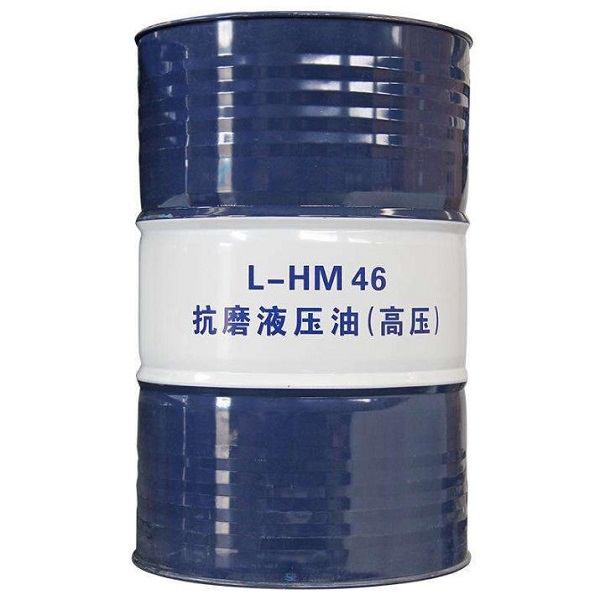
- L-HM Hydraulic Oil: An anti-wear hydraulic oil developed by enhancing the anti-wear properties of L-HL oil; it also offers oxidation and rust resistance. It features outstanding anti-wear performance that can extend the service life of high-pressure hydraulic pumps and is widely used as an anti-wear hydraulic oil.
- L-HG Hydraulic Oil: An anti-wear hydraulic oil formulated with anti-stick-slip additives. It exhibits excellent anti-stick-slip performance or effective “anti-chatter” (anti-creep) characteristics at low speeds.
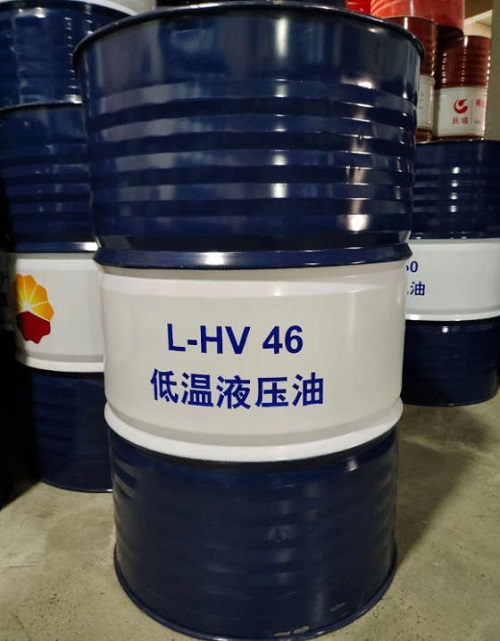
- L-HV Hydraulic Oil: Developed by improving the viscosity-temperature characteristics of L-HM oil. It is an anti-wear hydraulic oil with a viscosity index exceeding 130 and a low pour point, making it suitable for use in cold regions.
- L-HS Hydraulic Oil: A synthetic hydraulic oil without specific fire-resistant properties. Compared to L-HV oil, it has a lower pour point, making it suitable for extremely cold regions with even lower temperatures.
How to Choose the Right Hydraulic Oil
1. Understand the Hydraulic Pump Type
The hydraulic pump is the core component of a hydraulic system. You can begin by selecting the hydraulic oil based on the pump type. Consult the pump manufacturer’s specifications. The pump dictates the viscosity required for safe operation. Using the recommended viscosity grade helps prevent cavitation, seizing, and premature wear.
| Hydraulic Pump Types | Recommended Oil Type |
| Vane pump (low pressure) | HL |
| Vane pump (medium-to-high pressure) | HM |
| Gear pump | HL or HM |
| Radial piston pump | HL or HM |
| Axial piston pump | HL or HY |
2. Evaluate the operating temperature range
Determine the minimum and maximum system temperatures during operation. Oil-based lubricants perform best in systems with ambient temperatures ranging from -20°C to 80°C. At temperatures below -20°C, synthetic or low-viscosity grade hydraulic fluids help prevent startup damage. When ambient temperatures exceed 80°C, the lubricant oxidizes more rapidly, necessitating more frequent changes.
| Ambient temperature | Recommended viscosity grade |
| Extreme cold environment | VG32 |
| Normal temperature environment | VG46 |
| High-temperature or heavy-load environment | VG68 |
If the equipment is subject to significant temperature fluctuations throughout the year, it is recommended to use high-viscosity-index hydraulic oil (HG or HV series) to maintain stable operating performance.
3. Selection Based on Operating Speed
High-speed hydraulic presses: Equipment such as high-speed stamping presses and rapid deep-drawing presses requires good fluid flow characteristics. Therefore, they are suitable for lower-viscosity hydraulic oils.
Low-speed, heavy-duty hydraulic presses: Equipment such as forging presses and powder compacting presses is better suited to higher-viscosity hydraulic oils to enhance lubrication and sealing performance.
When selecting hydraulic oil, a higher price does not necessarily equate to better performance. Instead, the choice should be scientifically matched to the hydraulic press’s actual operating conditions. Key factors to consider include the type of hydraulic pump, ambient temperature, operating speed, and equipment load. HM46 anti-wear hydraulic oil is the standard choice for the vast majority of industrial hydraulic presses, whereas HM68 hydraulic oil is recommended for large forging presses operating under high-temperature and heavy-load conditions.

Selecting the right hydraulic oil not only enhances operational efficiency but also significantly extends the service life of the hydraulic press and reduces maintenance costs, thereby generating greater production value for the enterprise.