In hydroforming production, many companies focus on the tonnage, automation level, and production efficiency of the hydraulic press when selecting equipment. However, the mold is actually one of the core factors determining the final product quality. Whether it’s composite material products, SMC/BMC products, or metal-formed parts, the design and manufacturing level of the mold directly affects the product’s appearance, dimensional accuracy, and production stability.
Therefore, in the entire hydroforming production line, the mold is not just a tool, but a crucial link that determines product quality and production efficiency.
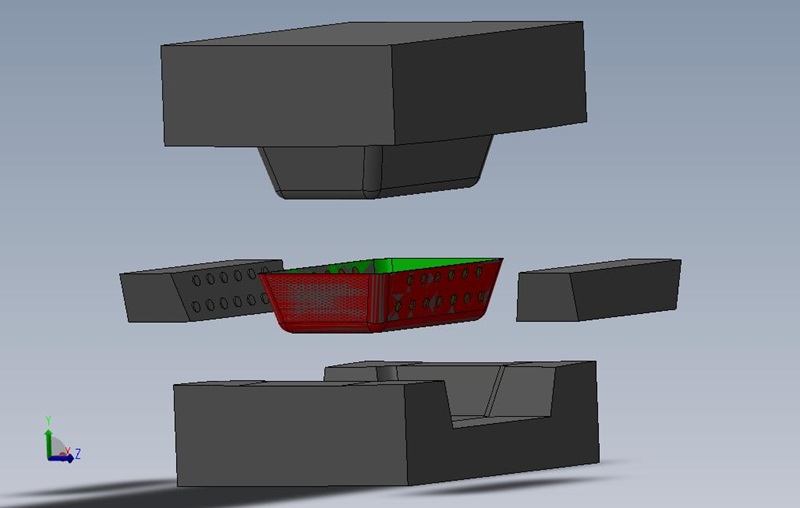
1. Hydraulic Press Molds Determine Product Quality
In the hydraulic press production process, the mold directly participates in material forming, and its structure and precision determine the final form of the product.
High-quality molds have the following advantages:
- High dimensional accuracy: Ensures uniform product specifications, reducing subsequent processing.
- Good surface quality: Smooth product surface, reducing finishing and polishing.
- Stable structure: Guarantees consistent product quality throughout long-term production.
For example, in the production of SMC/BMC composite materials, such as manhole covers, water tank panels, and automotive parts, the machining precision of the mold cavity, the venting structure, and the temperature control design directly affect the product molding effect.
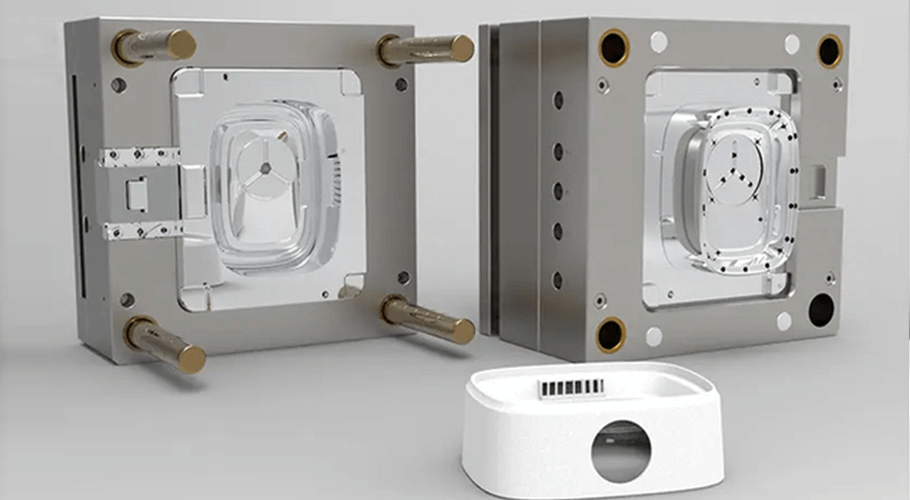
2. Hydraulic Press Molds Affect Production Efficiency
Besides product quality, molds directly impact production cycle time and efficiency.
High-quality molds typically possess the following characteristics:
- A well-designed venting system to prevent air bubbles and material shortages
- A scientifically designed runner system to ensure uniform material flow
- A stable demolding structure to improve demolding efficiency
- Good wear resistance to reduce maintenance frequency
A well-designed hydraulic press mold can not only shorten the molding cycle but also reduce the scrap rate, thereby significantly improving overall production efficiency.
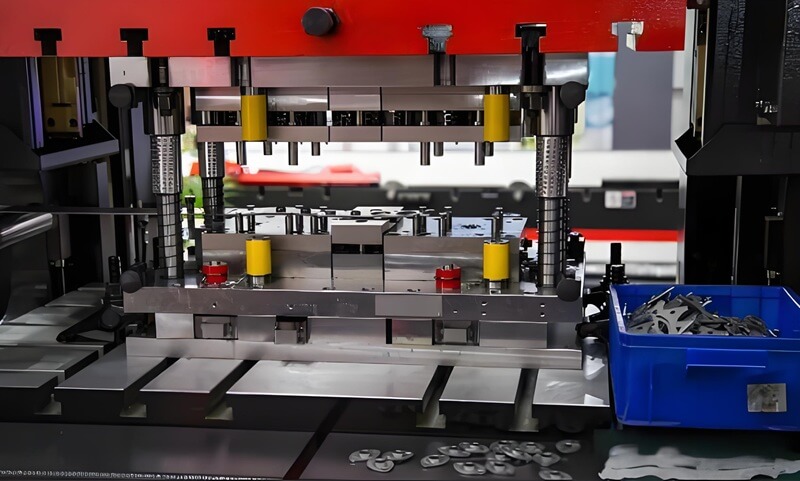
3. Hydraulic Press Molds Determine Production Costs
In long-term production, hydraulic press mold quality is closely related to enterprise costs.
If the mold design is unreasonable, the following may occur:
- High product defect rate
- Frequent repairs
- Short mold lifespan
- Low production efficiency
While high-quality molds require a higher initial investment, they can significantly reduce overall costs and improve enterprise profitability in the long run.
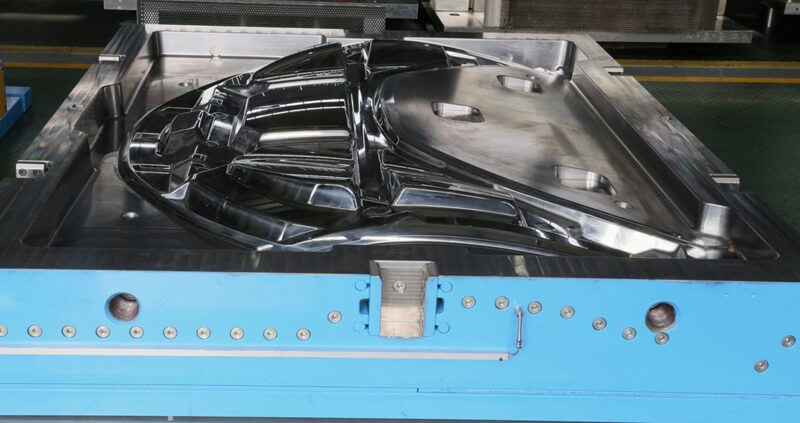
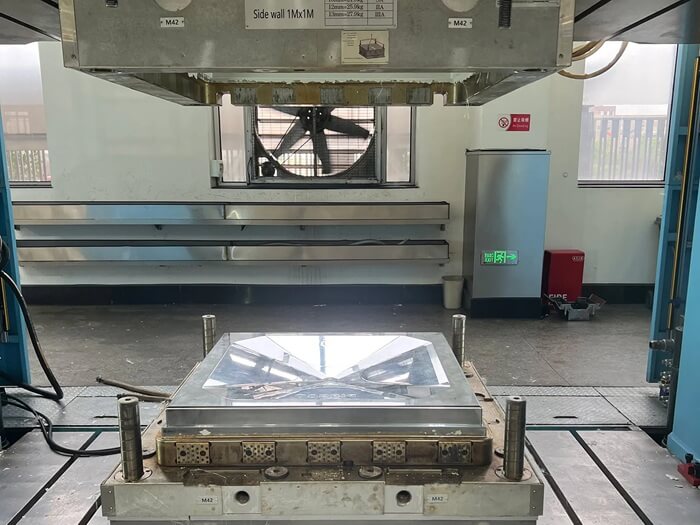
4. Mold and Hydraulic Press Matching Design Required
Hydraulic press mold design must be optimized based on hydraulic press parameters, including:
- Hydraulic press tonnage
- Worktable size
- Heating system
- Mold opening and closing stroke
Only by achieving a matching design between the mold and the hydraulic press can the equipment’s performance be fully utilized, ensuring stable and efficient production.
5. Complete Solutions are More Important
For composite material product manufacturers, choosing a supplier that can provide a complete solution is particularly important, including:
- Mold design and manufacturing
- Hydraulic press equipment configuration
- Raw material and production process support
Through a holistic solution design, compatibility issues between equipment and molds can be effectively reduced, helping customers achieve stable production more quickly.
PDH is such a company. We are not only a hydraulic press factory, but also have in-depth cooperation with composite material raw material manufacturers and mold makers. We can create a turnkey solution for our clients, saving you time and costs. If you have any questions, please contact our sales manager immediately.