In composite material moulding, metal stamping, and die-casting production, hydraulic press moulds directly determine product quality, production efficiency, and overall cost. Choosing a suitable die not only improves the yield rate but also effectively extends hydraulic press lifespan, making it a crucial step in the production process.
This article will systematically explain how to select the right hydraulic press dies, helping you make more professional and cost-effective decisions.
1. The Role of Hydraulic Press Molds
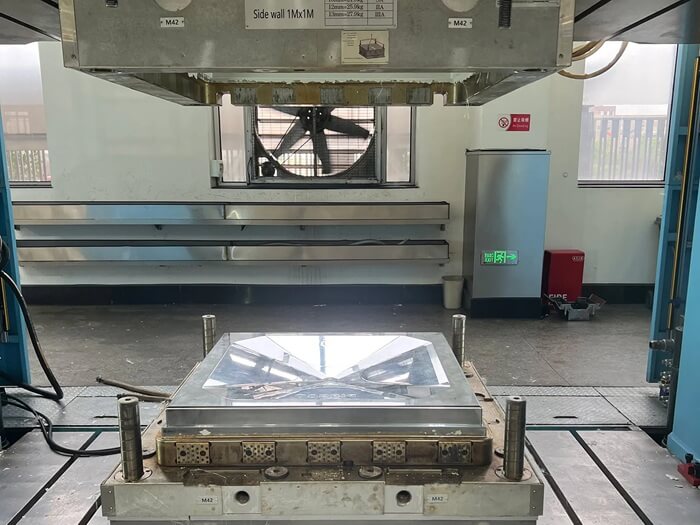
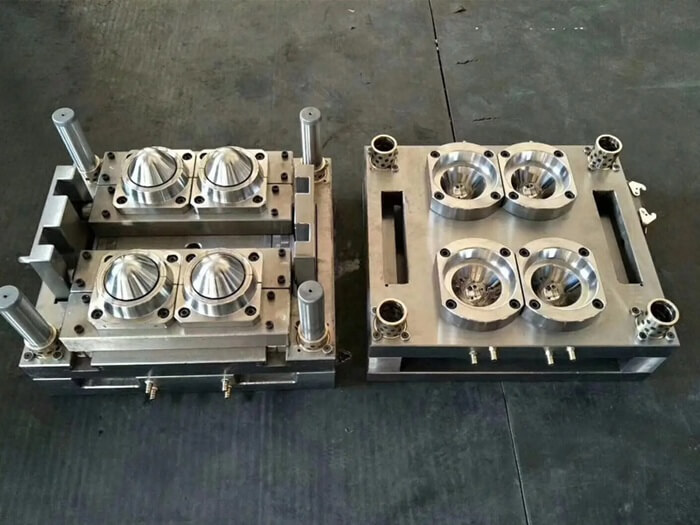
Hydraulic press dies are forming tools used in conjunction with hydraulic presses. They press raw materials into the desired shape using high pressure and (optionally) heating. The core roles of hydraulic press molds in production are mainly reflected in the following aspects:
- Forming Function: Determines the product’s appearance, dimensions, and structural precision.
- Quality Control: Affects the product’s surface finish, strength, and consistency.
- Production Efficiency: A well-designed mould can shorten the forming cycle.
- Cost Control: High-quality molds can reduce scrap rates and maintenance costs.
2. How to Choose the Right Hydraulic Press Mould
1) Mold Material
The mold material directly affects its durability and service life. Different processes require different materials. Commonly used materials:
- 45# steel: Low cost, suitable for products with general requirements.
- P20 steel: Good overall performance, suitable for medium-batch production.
- H13 steel: High strength, high temperature resistance, suitable for high-frequency production.
Selection Recommendations:
- For high-temperature and high-pressure processes (such as SMC/BMC), H13 is the preferred choice.
- For long-term batch production, high-wear-resistant materials are recommended.
2) Mould Structural Design
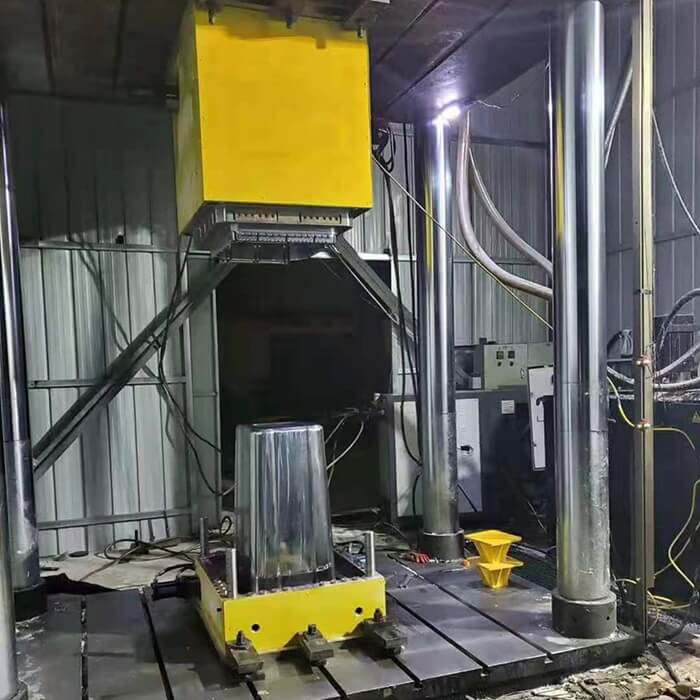
Structural design directly affects product moulding quality and production efficiency.
- Parting surface design: Affects demolding difficulty and product precision.
- Ventilation structure: Prevents defects such as air bubbles and insufficient material.
- Heating system (e.g., SMC molds): Ensures uniform temperature.
- Demolding structure: The rationality of the ejection method (ejector pins/hydraulic cylinders).
An unreasonable design can lead to: product deformation, surface defects, and accelerated mold wear.
3) Mold Surface Treatment
Good surface treatment can significantly improve mould performance. Common treatment methods include:
- Nitriding: Improves hardness and wear resistance
- Chromium plating: Improves corrosion resistance and surface finish
- Polishing: Improves product appearance quality
Especially when producing manhole covers and panel products, surface treatment directly affects the appearance grade of the finished product.
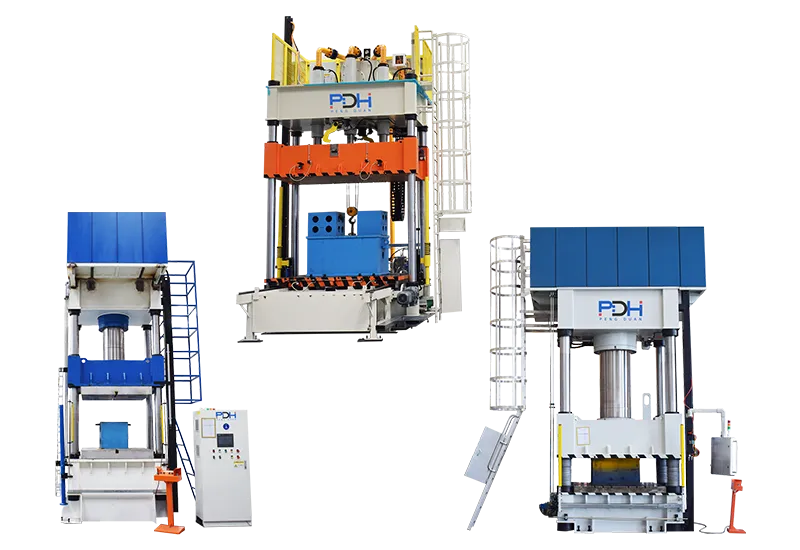
4) Mould and Hydraulic Press Matching
Die and hydraulic press matching is a crucial point that many customers easily overlook. Matching parameters include:
- Hydraulic press tonnage (determines forming pressure)
- Worktable size (determines mold size)
- Opening height (affects mould installation)
- Heating system (electric heating/oil heating)
5) Mold Manufacturer Selection
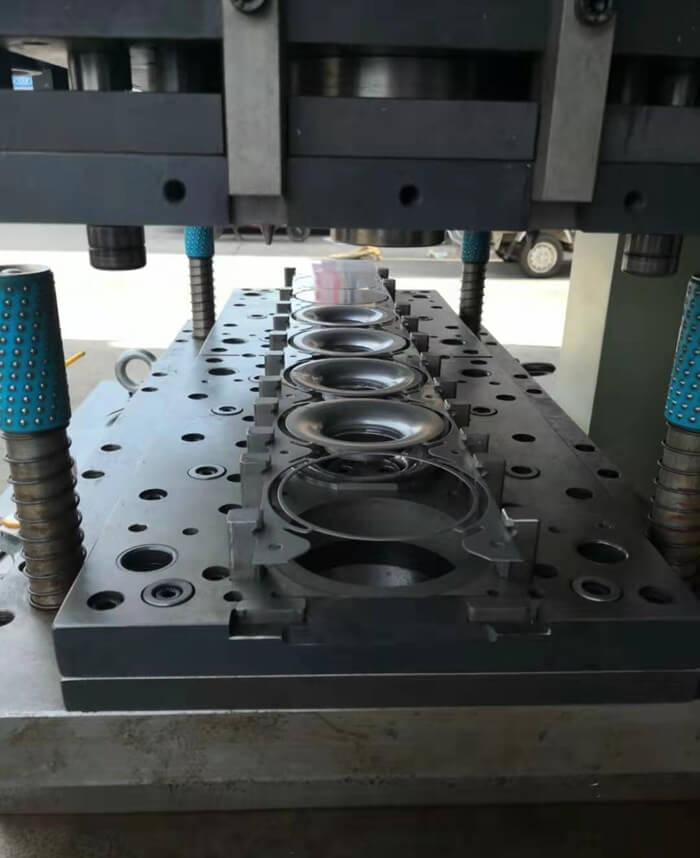
Choosing a professional hydraulic press die manufacturer is more important than simply comparing prices. A high-quality manufacturer should possess:
- Extensive industry experience (e.g., SMC/BMC product molds)
- Integrated design and production solutions
- Optimized structural design based on product specifications
- After-sales support and technical guidance
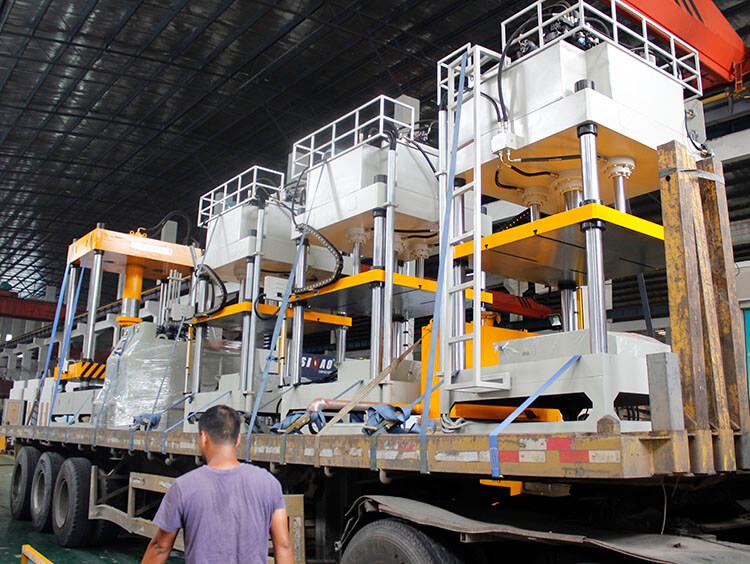
It is recommended to choose a manufacturer that can provide a “complete solution,” not just a mould supplier. PDH is not only a hydraulic press manufacturer but also provides our clients with complete turnkey solutions.
3. Application Areas of Hydraulic Press Dies
Hydraulic press moulds are widely used in SMC composite manhole covers, FRP water tank panels, automotive parts, electrical enclosures, building materials, etc.
4. Procurement Recommendations
- Require mold design drawings
- Confirm the material and heat treatment process
- Test the compatibility between the mold and the hydraulic press
- Prioritize suppliers that provide complete production line solutions (materials + equipment + moulds)
The selection of hydraulic press molds is not determined by a single factor but is a comprehensive result of material, design, equipment compatibility, and supplier capabilities. Only by making systematic choices based on the overall production process can we truly achieve high-quality, high-efficiency, and low-cost production.