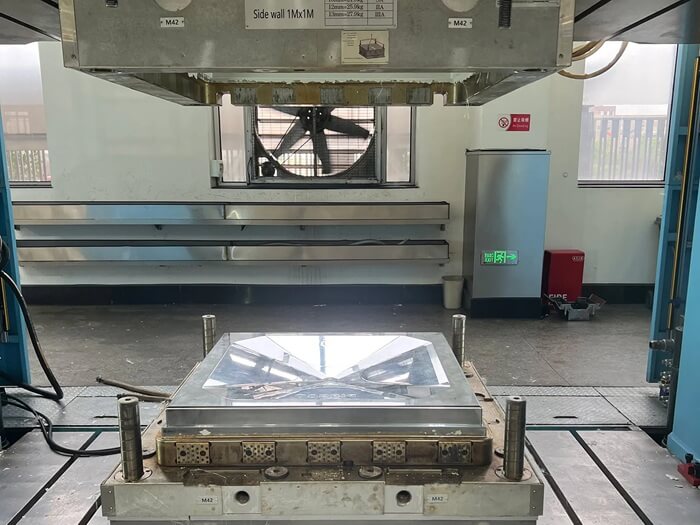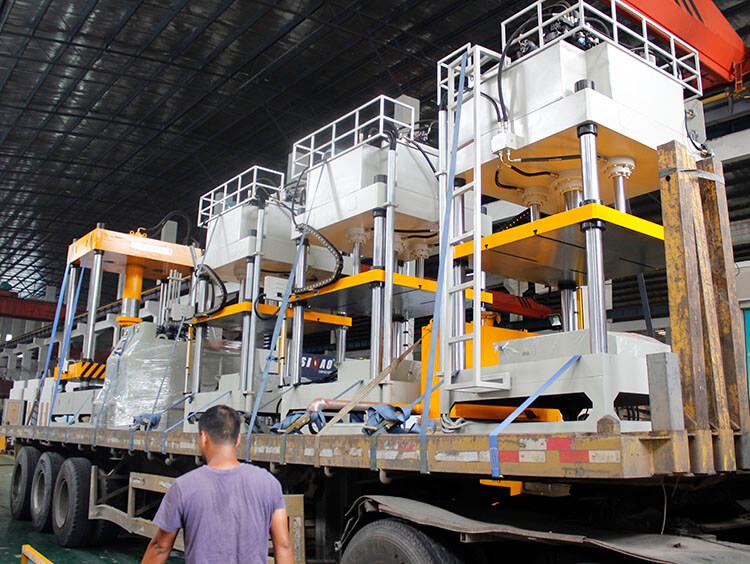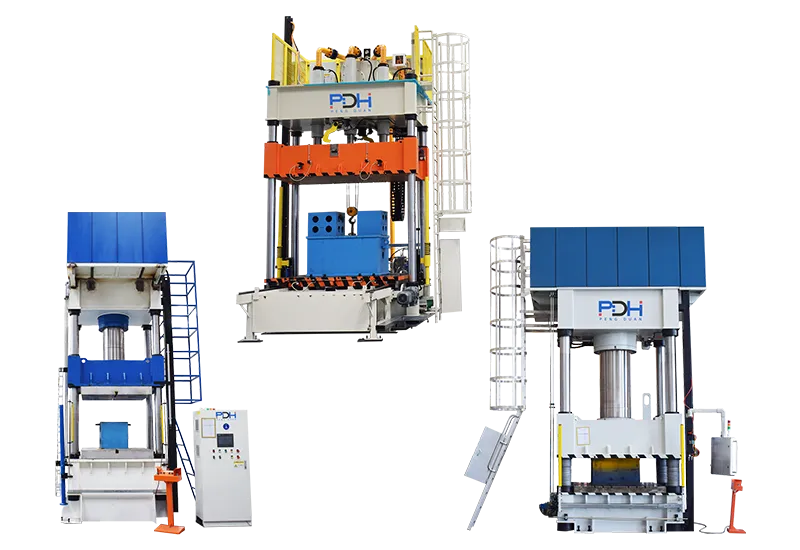
Hydraulic presses are becoming increasingly essential in modern industrial production. As hydraulic technology continues to advance, these machines are widely used in metal forming, composite compression molding, automotive parts manufacturing, forging, stamping, and many other applications.
Whether you are an equipment manufacturer, a production engineer, or an end user, understanding how to calculate hydraulic press tonnage is crucial for selecting the right machine and ensuring safe, efficient operation.
As a professional hydraulic press manufacturer in China, PDH provides a complete explanation of hydraulic press tonnage, how to calculate cylinder force, and why accurate tonnage calculation matters.
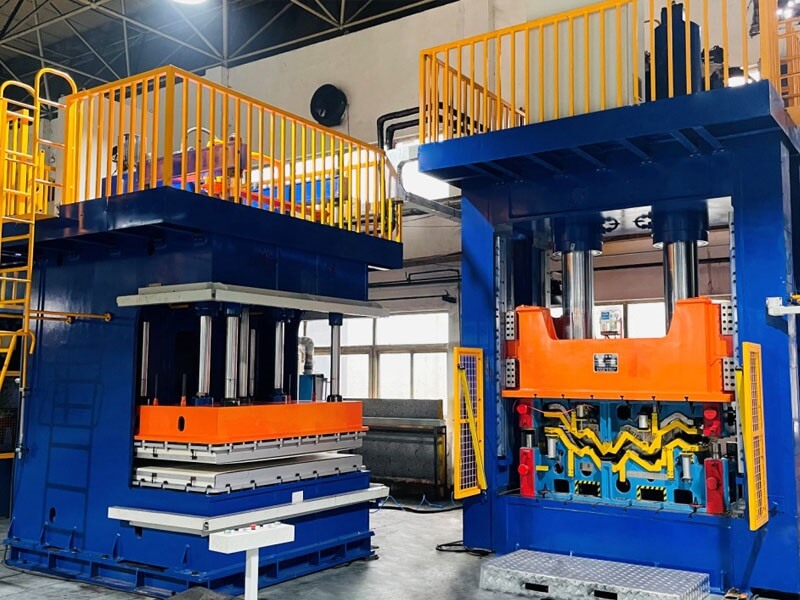
What is the Hydraulic Press Tonnage?
Hydraulic press tonnage refers to the maximum output force generated by the hydraulic cylinder at its rated working pressure.
- Unit: kN (kilonewtons)
- Conversion: 1 ton ≈ 10 kN
This tonnage value determines the press’s ability to perform forming, molding, stamping, punching, and other manufacturing tasks.
Why Hydraulic Press Tonnage Is Important
- Correct tonnage calculation is vital for:
- Selecting the right hydraulic press
- Preventing overload and machine damage
- Ensuring stable forming quality
- Improving production efficiency
- Reducing long-term maintenance costs
Choosing the wrong tonnage—either too high or too low—may lead to unnecessary expenses or production failure.
How to Calculate Hydraulic Press Tonnage
To calculate the output force of a hydraulic cylinder, you must know:
- Working pressure of the hydraulic system
- Inner diameter of the hydraulic cylinder
- Rod diameter (required for calculating pulling force)
These three factors determine how much force the hydraulic press can generate.
Hydraulic Press Tonnage Calculation Formula
1. Cylinder Force (Tonnage) Formula
Force = Cylinder Area × Working Pressure
2. Cylinder Area Calculation
Cylinder Area = π × d² ÷ 4
(π ≈ 3.14)
3. Working Pressure
This is the pressure displayed on the gauge during full-load operation.
Hydraulic Cylinder Force Calculation Example
- Cylinder inner diameter: 10 cm
- Working pressure: 16 MPa (≈ 160 kgf/cm²)
Step 1: Calculate cylinder area
3.14 × 10 × 10 ÷ 4 = 78.5 cm²
Step 2: Calculate tonnage (thrust)
78.5 × 160 = 12,560 kg
≈ 12.56 tons
This means the hydraulic cylinder can generate a pressing force of 12.56 tons.
How This Calculation Helps You Choose a Hydraulic Press
Using the hydraulic press tonnage calculation formula allows you to:
- Determine the correct machine size for your application
- Avoid buying oversized machines at high prices
- Prevent overloading your current equipment
- Improve the service life of hydraulic cylinders and pumps
- Ensure consistent quality in forming and molding processes
This simple calculation can help you make the right purchasing decision and protect your production line.
PDH — Professional Hydraulic Press Manufacturer in China
PDH specializes in designing and manufacturing high-quality hydraulic presses and hydraulic systems.
We provide:
- Custom hydraulic presses from 20 tons to 10,000 tons
- Composite molding presses (SMC, BMC, GMT, carbon fiber)
- Deep drawing presses, forging presses, powder compacting presses
- Hydraulic cylinders and complete hydraulic systems
- Technical support, tonnage calculation, and machine selection guidance
With years of experience in the hydraulic press industry, PDH delivers reliable solutions tailored to your production needs.
If you need help calculating hydraulic press tonnage or selecting the right machine, contact PDH for professional support.