When purchasing hydraulic presses, many customers notice a phenomenon: hydraulic presses with seemingly similar parameters can have significantly different prices. This is because different hydraulic press manufacturers use different technologies and configurations.
This article systematically analyzes the key factors affecting hydraulic press pricing, including structure, configuration, manufacturing process, and application requirements, to help users make a more informed choice of suitable equipment.
Table of Contents:
- Hydraulic Press Tonnage and Structural Form
1) Hydraulic Press Tonnage
2) Structural Differences - Hydraulic System Configuration Level
- Electrical and Control Systems
- Manufacturing Process and Machining Precision
1) Body Material and Welding Process
2) Guide System Design - Application Industries and Customization Level
1) General-Purpose Hydraulic Presses
2) Industry-Specific Hydraulic Presses - Additional Functions and Optional Systems
- Manufacturer Strength and After-Sales Service
1. Hydraulic Press Tonnage and Structural Form
1) Hydraulic Press Tonnage
The nominal pressure of a hydraulic press (e.g., 200 tons, 315 tons, 500 tons, 1000 tons) is a key factor influencing price.
Larger tonnage:
- Increases steel usage in the machine body
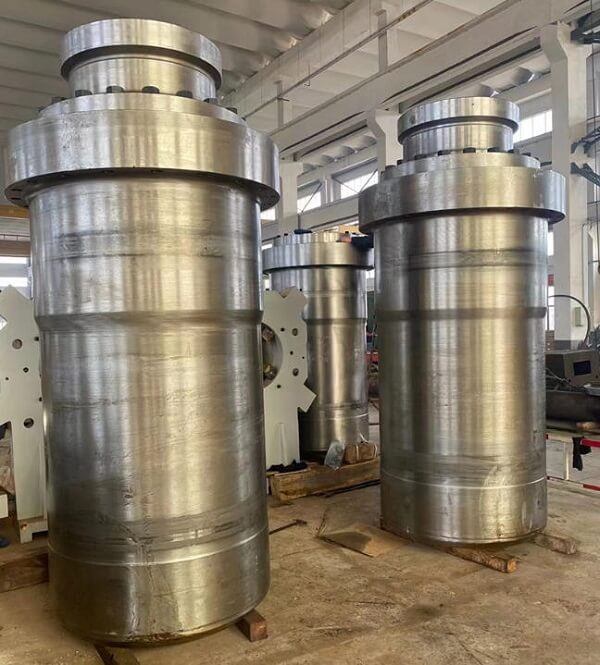
- Increases cylinder diameter and hydraulic system specifications
- Increases overall manufacturing and assembly costs
Therefore, while meeting process requirements, rationally selecting the tonnage helps control procurement costs.
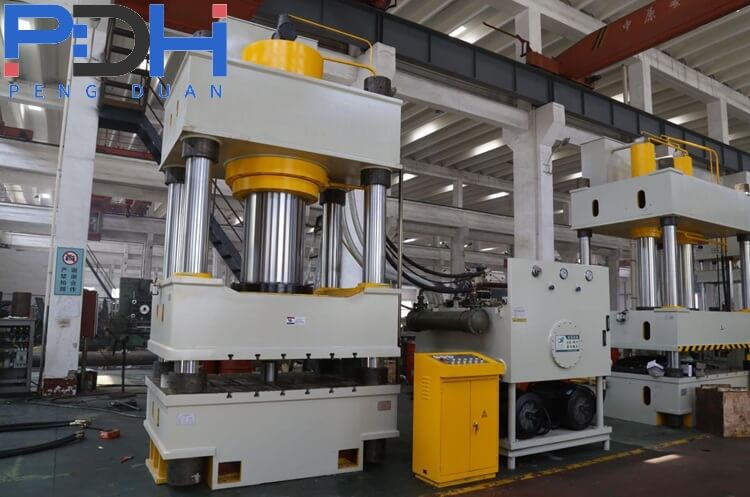
2) Structural Differences
Hydraulic presses with different structural forms exhibit significant differences in rigidity, precision, and manufacturing cost:
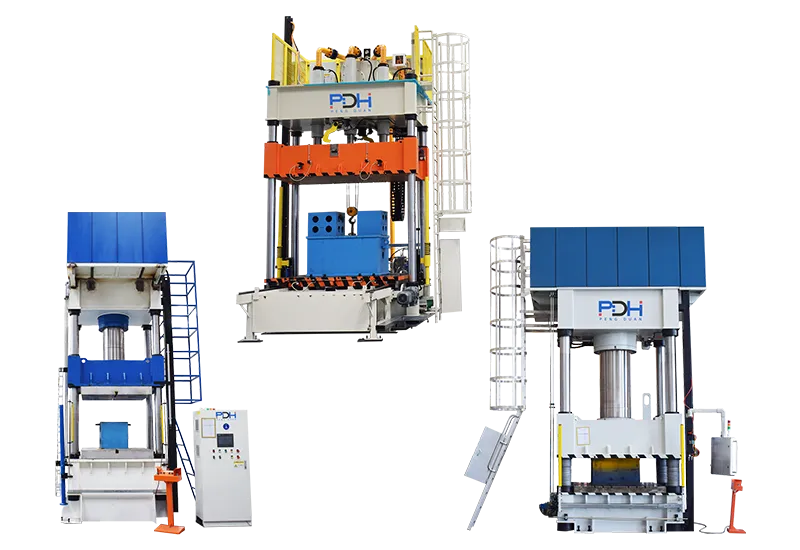
- Three-beam four-column hydraulic press: Mature structure, high cost-effectiveness, and most widely used.
- Four-beam four-column hydraulic press: Higher overall rigidity and precision.
- Frame-type hydraulic press: Strong resistance to eccentric loads, suitable for high-precision molding, but relatively expensive.
- C-type single-arm hydraulic press: Suitable for small tonnage and simple processes, with lower cost.
The choice of structural form should be based on a comprehensive consideration of product precision and production stability requirements.
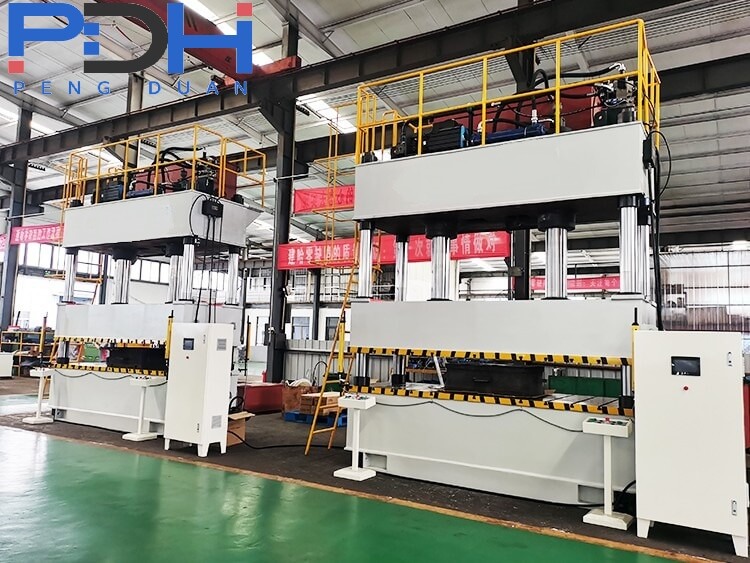
2. Hydraulic System Configuration Level
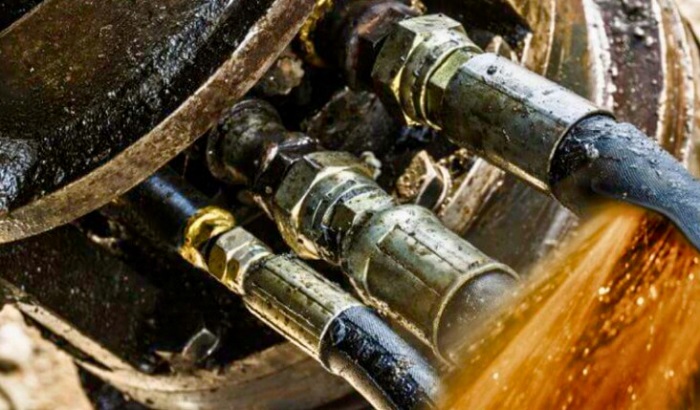
The hydraulic system is the “core” of a hydraulic press, and its configuration directly affects equipment performance, energy consumption, and price.
1) Pool Type:
- Standard fixed displacement pump
- Servo pump system (energy-saving, low noise, but higher cost)
2) Control Valve Assembly:
- Standard solenoid valve
- Proportional valve / Servo valve (more precise control)
3) Cooling Method:
- Air cooling
- Water cooling (suitable for long-term continuous operation)
Different configuration combinations often result in significant price tiers.
3. Electrical and Control Systems
The level of automation and intelligence of the hydraulic press is also a significant factor affecting its price.
Common configurations include:
- Traditional button control
- PLC + touchscreen control system
- Multi-stage adjustable pressure, stroke, and speed
- Production data storage and monitoring functions
Brand differences in PLCs and electrical components also directly impact the overall machine price.
4. Manufacturing Process and Machining Precision
Some factors affecting price are not immediately obvious, but they are crucial for the long-term stable operation of the equipment.
1) Body Material and Welding Process
- Ordinary carbon steel vs. high-strength structural steel
- Is overall tempering or aging treatment performed after welding?
Good manufacturing processes can effectively prevent equipment deformation during long-term use and ensure forming accuracy.

2) Guide System Design
- Ordinary guide sleeve
- Copper-based composite guide rail
- High-precision multi-faceted guide structure
Higher guide system precision provides stronger protection for molds and product consistency, but also results in higher costs.
5. Application Industries and Customization Level
1) General-Purpose Hydraulic Presses
- Standard stroke and speed
- Suitable for simple press fitting, stamping, and forming processes
- Relatively low price, short lead time
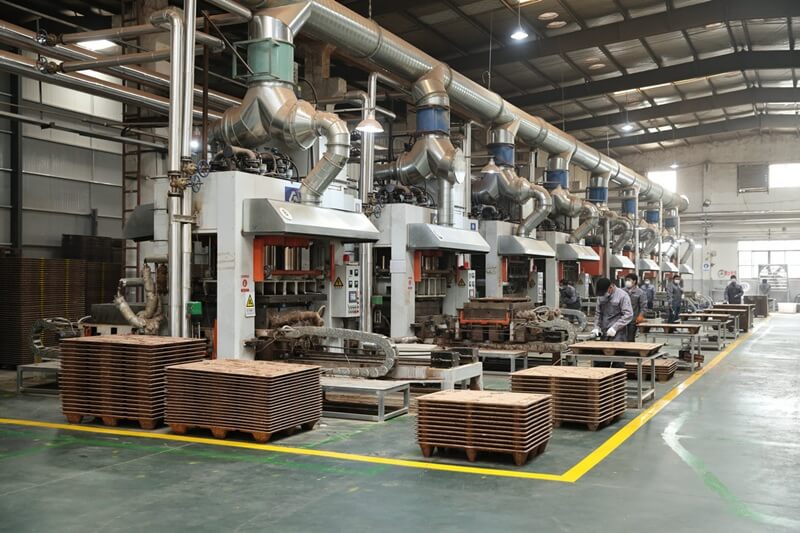
2) Industry-Specific Hydraulic Presses
Examples:
- SMC/BMC forming hydraulic presses
- Metal stretching, refrigerator shell forming hydraulic presses
- Composite material hot pressing equipment
These types of equipment typically require:
- Customized pressure and speed curves
- High parallelism and repeatability accuracy
- Mold heating or automation systems
The higher the degree of customization, the higher the equipment price.
6. Additional Functions and Optional Systems
Common optional items include:
- Mold heating system
- Automatic loading and unloading device
- Safety light curtain and protective fence
- Quick mold change system
- Energy consumption monitoring, remote operation, and maintenance functions
These functions are not basic configurations, but they will significantly affect the final price.
7. Manufacturer Strength and After-Sales Service
Hydraulic presses are industrial equipment used for long periods, and the manufacturer’s overall strength is also an important component of the price:
- Industry experience and successful cases
- Technical support and solution capabilities
- After-sales response speed and spare parts supply
- Export experience and international certifications
For many customers, the value of equipment stability and long-term service guarantees far outweighs simply a low price.
Conclusion
The hydraulic press price is determined by a combination of factors, including its structure, core configuration, manufacturing process, control system, and customized requirements.
A rational assessment of your production needs and selection of a suitable configuration is crucial to achieving a better return on investment while ensuring performance and stability.
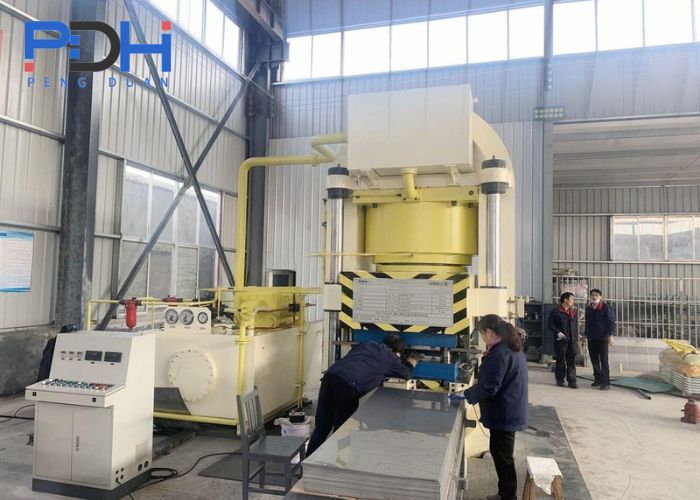
PDH is a professional hydraulic press factory in China, capable of customizing production according to customer requirements. We ensure hydraulic press quality while considering cost-effectiveness, providing customers with the best hydraulic press solutions. Contact us for more accurate information.