The replacement cycle for hydraulic oil in hydraulic presses is variable and influenced by multiple factors. From the perspective of wear particles, according to relevant research literature on hydraulic systems, when spectroscopic analysis reveals that the concentration of wear particles in the hydraulic oil reaches more than 500 particles per milliliter, and ferrographic analysis shows an increase in large wear particles, the hydraulic oil should be replaced even if the conventional replacement period has not yet been reached, in order to ensure the precise and stable operation of the hydraulic press.
In high-temperature environments, the oxidation rate of hydraulic oil increases. Generally, if the hydraulic press operating temperature consistently exceeds 60°C, industry experience suggests the hydraulic oil replacement cycle will be significantly shortened. It may be reduced from the conventional 1200-1500 operating hours to 800-1000 hours, as high temperatures accelerate the oxidation and degradation of the hydraulic oil, affecting its performance.
The frequency of hydraulic oil replacement in a hydraulic press is closely related to the workload. When the hydraulic press is operating under continuous high load conditions, such as working at 80% or more of its rated pressure for extended periods, statistical data from actual operation shows that the hydraulic oil replacement cycle may be shortened from the normal 2 years (assuming 2000 operating hours per year) to 1-1.5 years. This is because high loads exacerbate the contamination and performance degradation of the hydraulic oil.
Analyzing the timing of hydraulic oil replacement from the perspective of water content: When a Karl Fischer moisture titrator indicates that the water content in the hydraulic oil exceeds 0.1%, the hydraulic oil should be replaced. This is because water can impair the lubricating properties of hydraulic oil and may also cause corrosion of metal components, thereby reducing the service life of the hydraulic press. This is clearly explained in relevant hydraulic oil performance research reports.
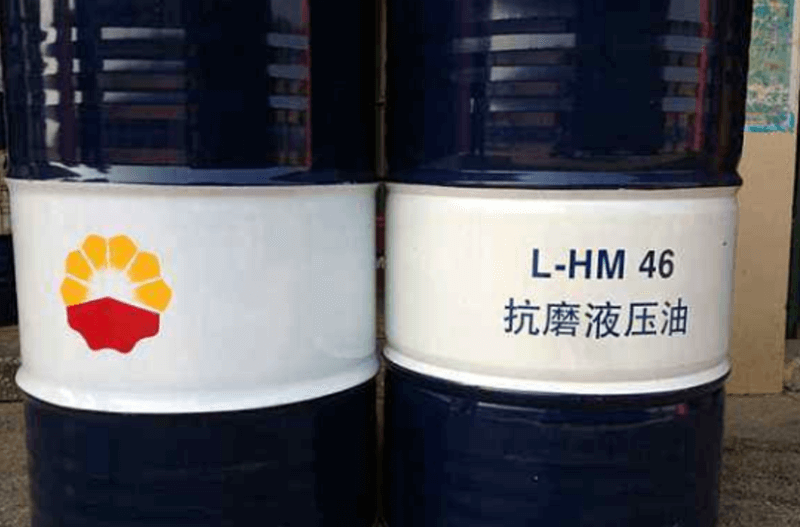
The hydraulic oil replacement time for a hydraulic press also depends on the type of hydraulic oil. For example, anti-wear hydraulic oil exhibits better anti-wear and anti-oxidation properties than conventional hydraulic oil. Under normal working conditions, the replacement cycle for anti-wear hydraulic oil can reach 2000-2500 hours, while ordinary hydraulic oil may only last 1500-2000 hours. This is determined by the chemical composition and performance characteristics of hydraulic oils.
If a hydraulic press operates in a dusty, harsh working environment, dust and other contaminants can easily enter the hydraulic oil. According to industry best practices, when the cleanliness level of hydraulic oil, as measured by a particle counter, reaches NAS 10 or higher (per the NAS cleanliness standard), the hydraulic oil should be replaced to prevent impurities from wearing down hydraulic components and affecting system performance.
The acid value of hydraulic oil is also an important indicator of whether replacement is necessary. According to the “Hydraulic Oil Quality Testing Standard,” when the acid value of hydraulic oil exceeds 1.0 mg KOH/g, it indicates significant oxidative degradation. At this point, the hydraulic oil must be replaced; otherwise, it will corrode the metal components inside the hydraulic press.
Given the operating frequency of hydraulic presses, those that are frequently started and stopped are more susceptible to hydraulic oil degradation due to frequent pressure fluctuations and shocks. Based on practical experience, the hydraulic oil replacement cycle for such presses may be 20%-30% shorter than for continuously operating, stable presses. It is generally recommended to replace the oil earlier than the normal cycle to ensure stable system operation.
For newly commissioned hydraulic presses, the first oil change is usually required after 200-300 hours of operation. This is because new equipment generates some metal debris and other impurities during the break-in period, which mix with the hydraulic oil. The first oil change effectively removes these impurities, providing good lubrication and a suitable operating environment for the hydraulic press to operate stably.
In hydraulic presses operating in low-temperature environments, the viscosity of the hydraulic oil changes. When the ambient temperature remains below -10°C for extended periods, the fluidity of the hydraulic oil deteriorates, potentially affecting the response speed and working efficiency of the hydraulic press. In this case, even if the hydraulic oil has not yet reached its normal replacement cycle, it may be necessary to replace it with hydraulic oil suitable for low-temperature environments to ensure the hydraulic press operates normally. This conclusion is based on research into the effects of low temperatures on the rheological properties of hydraulic oil.
In summary, the hydraulic oil replacement interval should be adjusted based on the hydraulic press’s actual operating conditions; there is no single fixed interval. PDH is a professional manufacturer of hydraulic presses, providing high-quality hydraulic presses, hydraulic system expertise, and supporting equipment such as hydraulic oil. If you have any needs, please contact us.